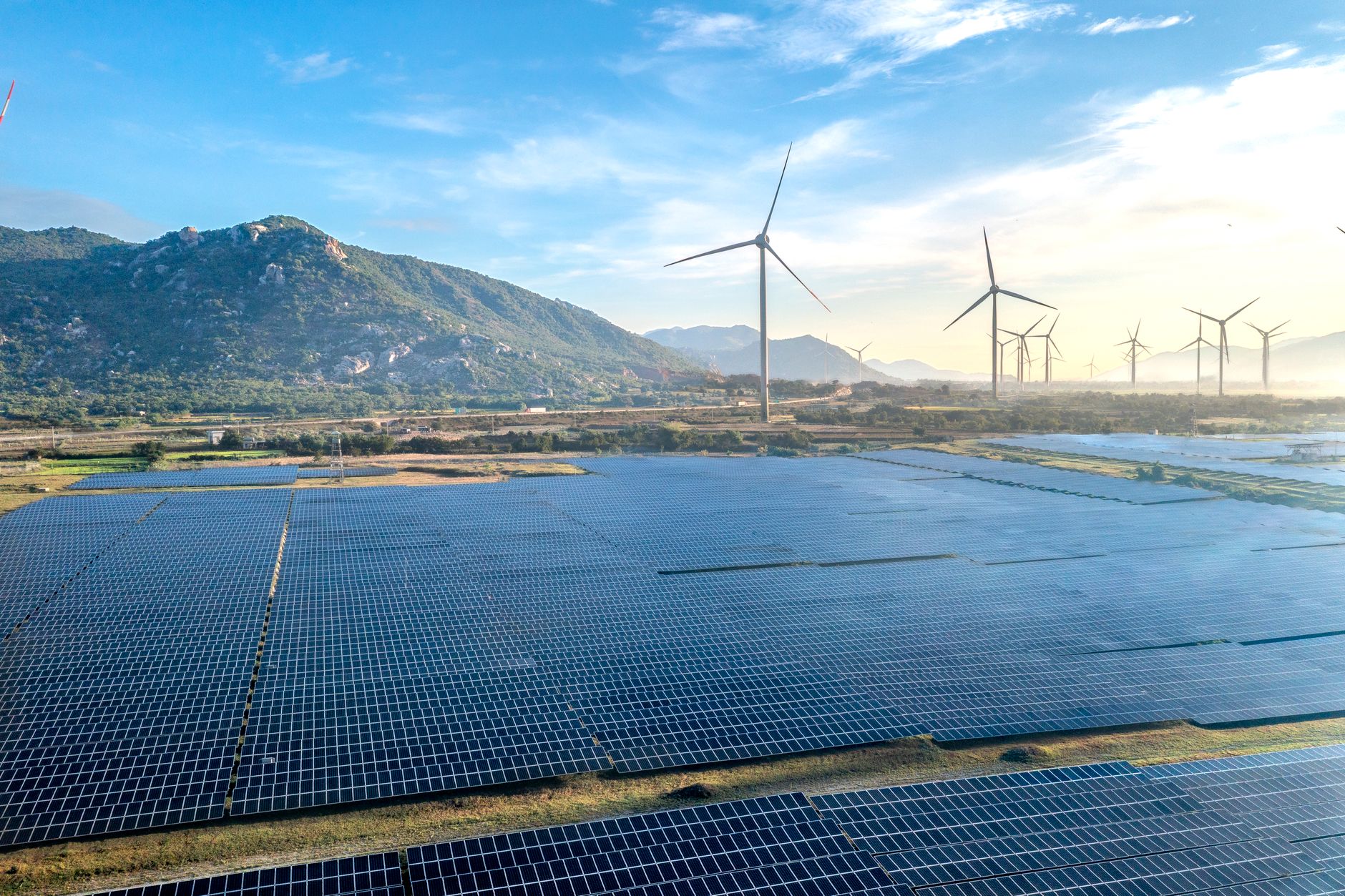
The transition toward sustainable energy represents one of humanity’s most critical challenges and opportunities, fundamentally reshaping how we power homes and communities. Renewable energy sources like wind, solar, and hydroelectric power offer clean alternatives to fossil fuels, reducing carbon emissions while building resilient energy systems. Understanding available options and how they function empowers homeowners to make informed decisions supporting both personal sustainability goals and global environmental health. Vattenfall leads this transition, investing heavily in renewable capacity and supporting customers who choose sustainable power sources.
Solar Energy: Capturing Sunshine for Home Power
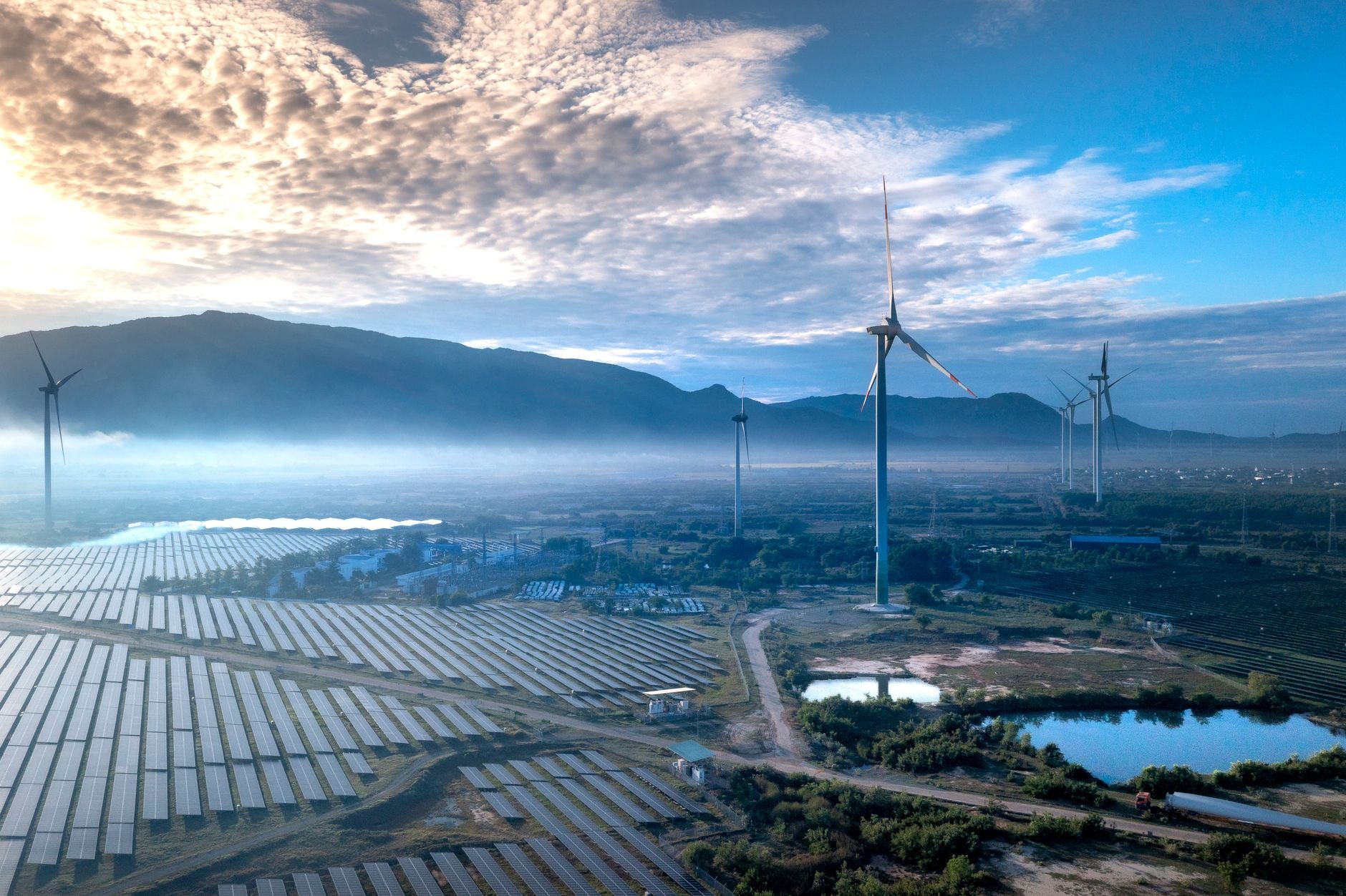
Photovoltaic solar panels convert sunlight directly into electricity, providing clean energy while reducing utility dependency. Modern panel efficiency has improved dramatically, with today’s panels capturing substantially more usable energy from available sunlight compared to earlier generations. Rooftop installation maximizes available space on most homes, producing meaningful quantities of electricity for household consumption. Ground-mounted systems offer alternatives for properties with insufficient roof space, though installation requires more land area.
Battery storage systems pair with solar installations, capturing excess daytime production for evening use. This storage capability addresses solar’s primary limitation, providing power when sunlight isn’t available. Prices for battery systems continue declining, making storage increasingly practical for residential applications. Vattenfall offers comprehensive solar solutions including system design, installation, and ongoing monitoring, simplifying the transition to solar power.
Wind Energy: Harnessing Natural Forces
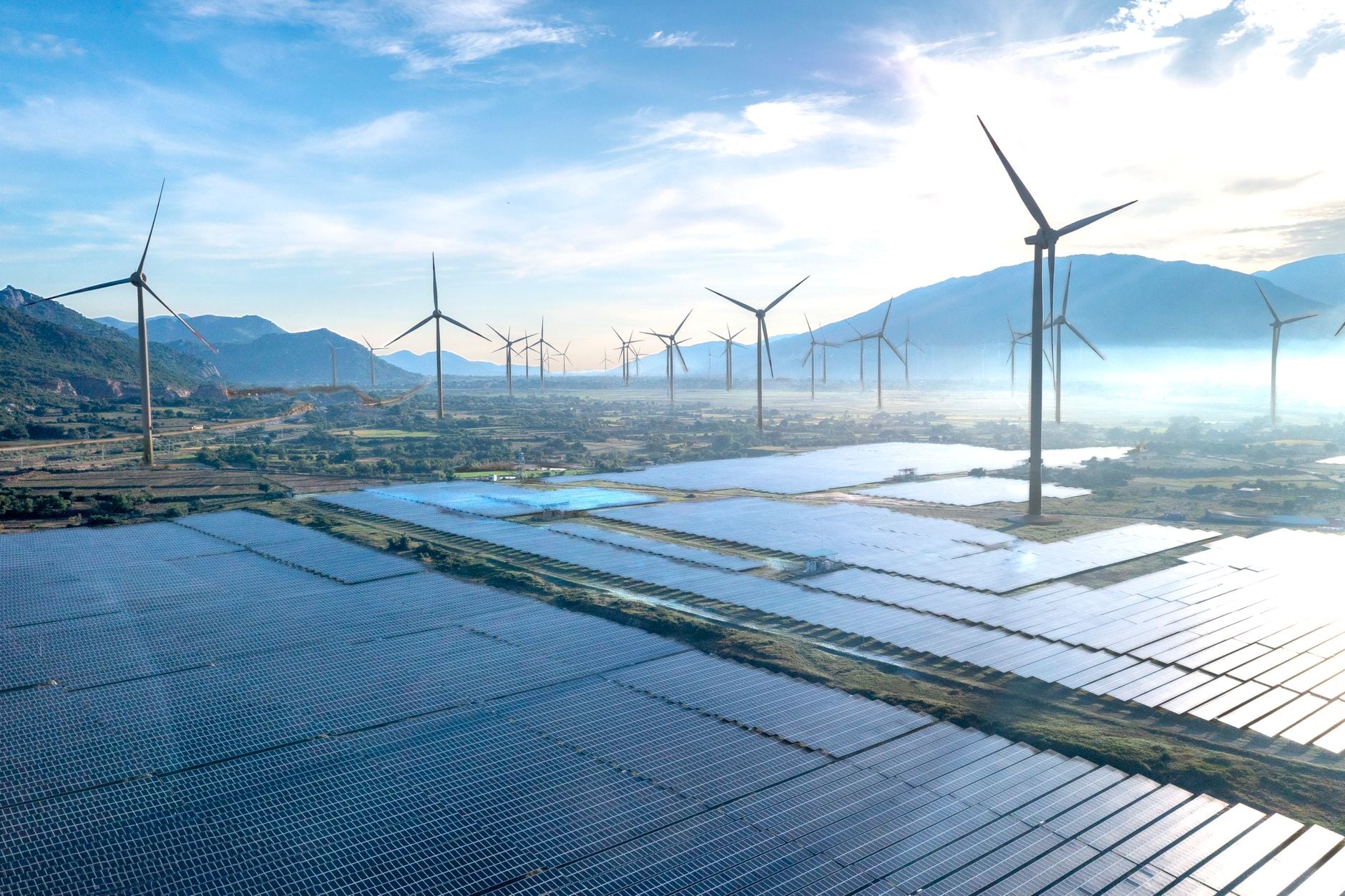
Wind turbines convert kinetic energy from moving air into electricity, providing continuous power generation when wind conditions permit. Residential wind turbines work best in open areas with consistent wind speeds, though recent innovations have improved performance in varied conditions. Wind’s advantage over solar is consistent generation throughout day and night, with winter months often producing more power when wind patterns intensify.
Large-scale wind farms leverage optimal geographic locations, generating substantial electricity quantities efficiently. Offshore wind installations capture stronger, more consistent winds available over oceans, supporting increasingly significant portions of regional electricity supplies. Wind energy requires careful siting to avoid interference with existing structures and minimize noise impact on neighbors, making professional assessment essential before installation.
Hydroelectric Power and Water Resources
Flowing water provides exceptional energy generation potential, with hydroelectric plants capturing gravitational potential energy as water moves downstream. Dams create reservoirs enabling reliable power generation regardless of current water flow, providing stability that complements intermittent solar and wind production. Modern hydroelectric facilities minimize environmental impact through careful dam design and water management practices.
Run-of-river systems generate electricity without large reservoirs, reducing environmental disruption while still capturing flowing water energy. Pumped-storage hydroelectricity stores energy by pumping water uphill during periods of excess generation, then releasing it downhill when electricity demand peaks. This energy storage approach provides crucial flexibility supporting grid stability as renewable penetration increases.
Geothermal Energy and Ground Heat
Beneath Earth’s surface lies considerable heat available for electricity generation and direct heating applications. Geothermal heat pump systems circulate fluid through ground loops, extracting stable ground temperature to heat buildings in winter and cool them in summer. Ground temperature remains relatively constant year-round, providing exceptionally efficient heating and cooling compared to conventional systems drawing from variable outdoor air temperatures.
Geothermal electricity plants operate in specific locations with appropriate subsurface conditions, though geothermal heating systems function nearly anywhere. This widespread applicability for heating combined with superior efficiency compared to conventional systems makes geothermal increasingly attractive for home retrofits and new construction. Vattenfall supports various renewable technologies, including geothermal solutions for customers seeking heating alternatives.
Biomass and Sustainable Fuel Options
Biomass energy derives from organic materials including agricultural waste, timber residues, and dedicated energy crops. When sustainably sourced, biomass represents carbon-neutral energy, as carbon released during combustion matches carbon captured during plant growth. Modern biomass facilities employ advanced combustion technologies minimizing emissions while maximizing efficiency, often providing both electricity and heat.
Sustainably managed forests ensure biomass production without deforestation or ecosystem damage. Certification systems verify sustainable sourcing, preventing association with environmentally destructive practices. Biomass pairs effectively with other renewables, providing dispatchable power balancing intermittent solar and wind generation. Concerns about sustainability require careful evaluation, ensuring specific biomass sources meet legitimate environmental standards.
Energy Efficiency as Foundation
Maximizing renewable energy benefits begins with minimizing consumption through efficiency improvements. Insulation upgrades reduce heating and cooling requirements dramatically, particularly in older homes. LED lighting consumes 75% less energy than incandescent bulbs while lasting vastly longer. High-efficiency appliances and HVAC systems reduce household energy demand substantially, improving the cost-effectiveness of renewable generation.
Smart home technology enables precise consumption management, adjusting heating, cooling, and appliance operation based on real-time pricing and availability. Demand-response programs compensate customers for shifting consumption to periods when renewable generation peaks, aligning household consumption with clean energy availability. These efficiency measures reduce overall renewable installation requirements while lowering energy costs.
Grid Integration and Smart Distribution
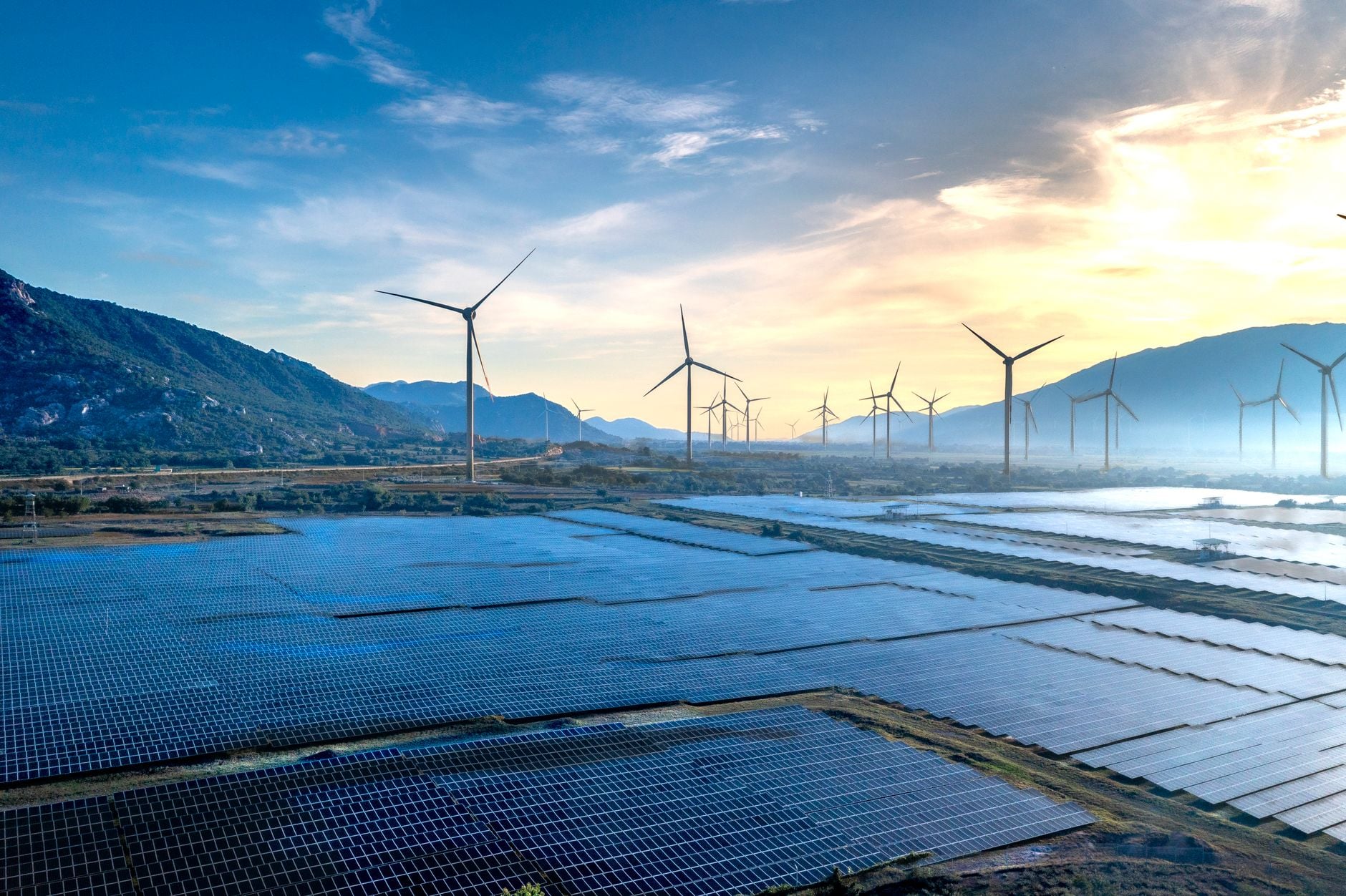
Renewable energy integration requires upgraded electrical grids capable of handling variable generation from distributed sources. Smart grid technologies monitor demand and supply in real-time, automatically balancing loads across multiple generation sources. Vehicle-to-grid systems use electric vehicle batteries as distributed storage, charging during periods of excess renewable generation and feeding power back during peak demand.
Microgrids operate semi-independently, combining multiple renewable sources with storage and intelligent controls, improving resilience while reducing transmission losses. Community-scale renewable projects distribute benefits across neighborhoods, building social support for energy transition. Vattenfall invests in these grid modernization projects, enabling reliable renewable energy integration on large scales.
Economic and Personal Benefits
Renewable energy investments generate financial returns through reduced electricity purchases and government incentives. Long-term electricity cost stability replaces vulnerability to fossil fuel price volatility, protecting household budgets from future energy price increases. Property value increases often accompany renewable installations, particularly solar systems reducing operating costs.
Energy independence provides security and autonomy, reducing vulnerability to grid failures or supply disruptions. Community benefits extend beyond personal households, supporting local economies and job creation in renewable energy sectors. Choosing sustainable power directly supports environmental protection while improving personal finances and energy security.
Renewable energy transition requires diverse approaches leveraging varied resources available across different geographies and applications. Supporting this transition through personal choices and investments accelerates global movement toward sustainable, resilient energy systems.