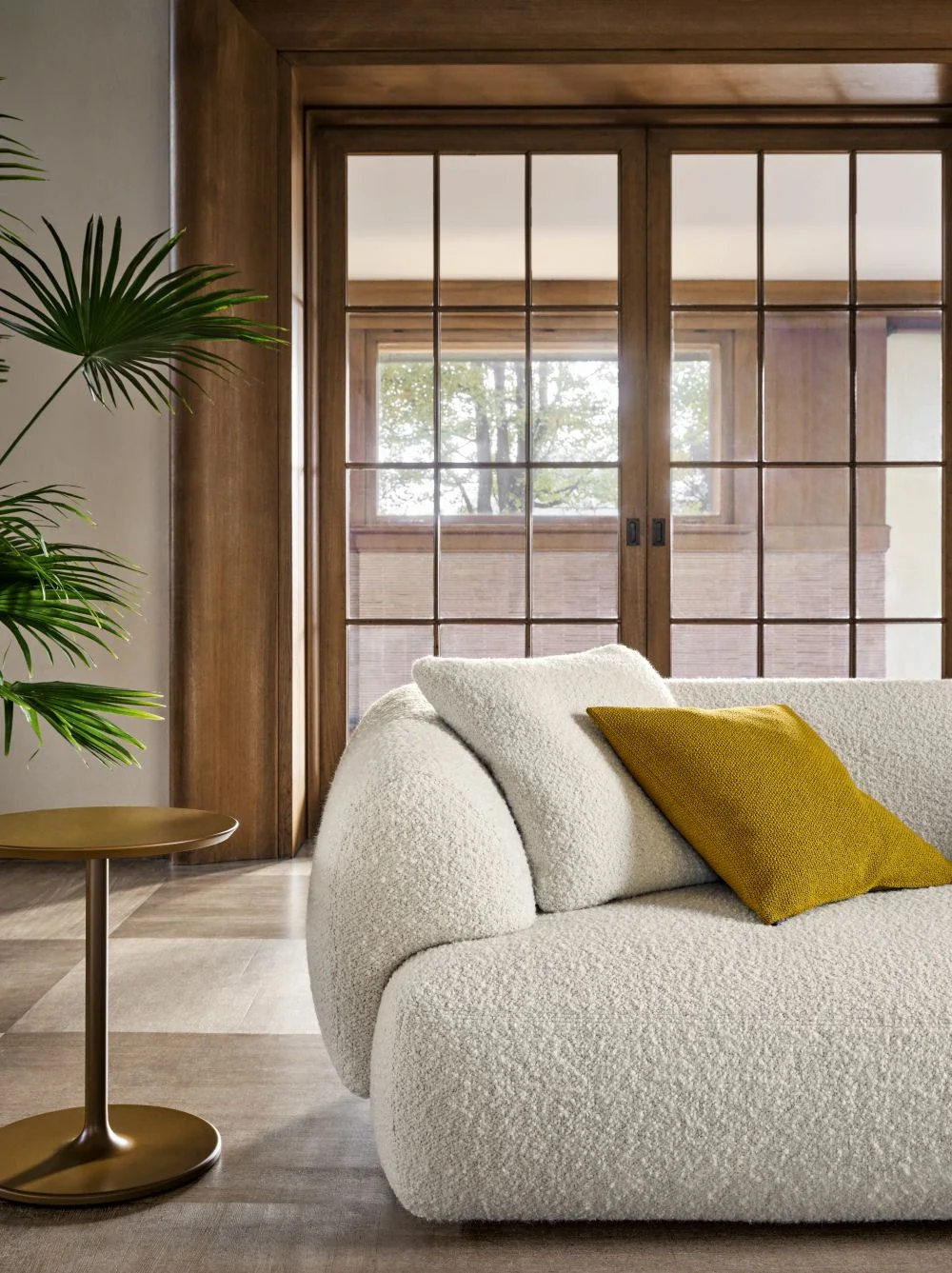
In an age of disposable culture, Milola stands apart by creating furniture designed to be inherited, not discarded. This radical commitment to longevity means examining every element of the design and manufacturing process with uncompromising scrutiny. Why does this matter? Because real luxury isn’t exclusivity or expense, it’s durability that compounds value over time. Milola furniture pieces become better loved, not worn out, after years of daily use. This quality obsession infuses everything from material selection through final inspection, ensuring each piece meets exacting standards before reaching your home.
Structural Integrity as Art Form
Milola begins with engineering that prioritizes invisible stability. Joinery techniques, reinforcement strategies, and structural principles are worked out meticulously before aesthetic considerations even enter the picture. Frames use kiln-dried hardwoods chosen for strength and stability. Joinery employs traditional techniques refined through decades of manufacturing experience, creating connections that strengthen rather than weaken with use. Metal components feature premium grades selected for fatigue resistance and longevity. This engineering foundation ensures Milola pieces feel solid when you sit, lean, and use them daily for years.
Upholstery That Develops Character
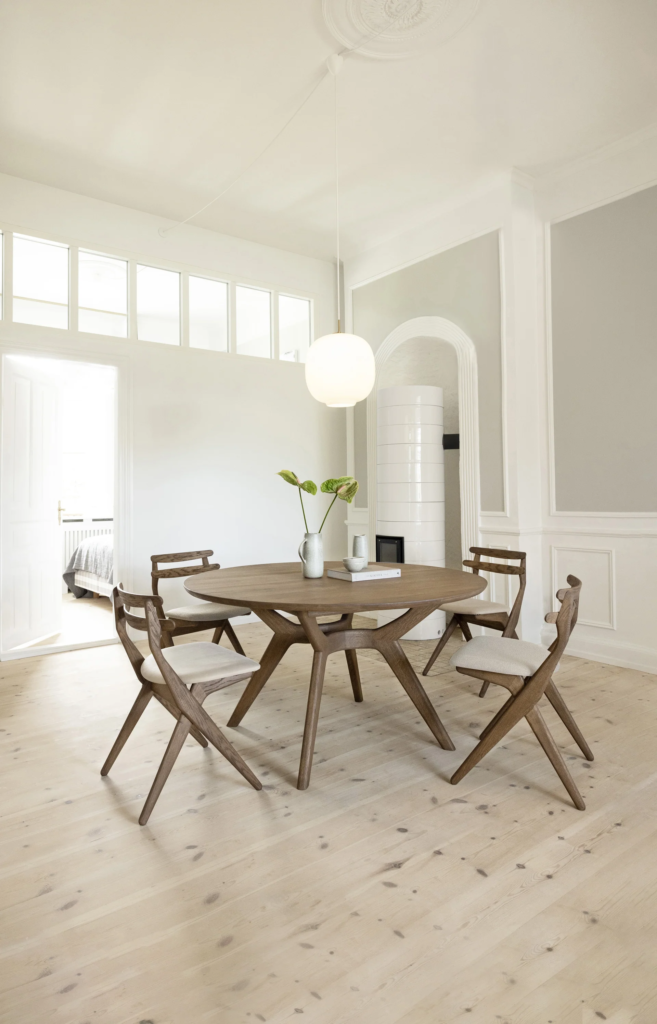
The fabrics chosen by Milola represent some of the most durable textile options available. These aren’t delicate materials requiring careful handling but rather hard-working fabrics designed for genuine living. Tight weaves resist pilling. High thread counts provide durability. Natural fiber content allows proper breathability. Milola pieces upholstered in these materials show comfortable wear rather than deterioration. Over time, fabrics develop softer feel and deeper color that adds character rather than detracting from appearance. This isn’t planned obsolescence but rather the natural patina of quality materials living genuine lives.
Finishes Built to Withstand Time
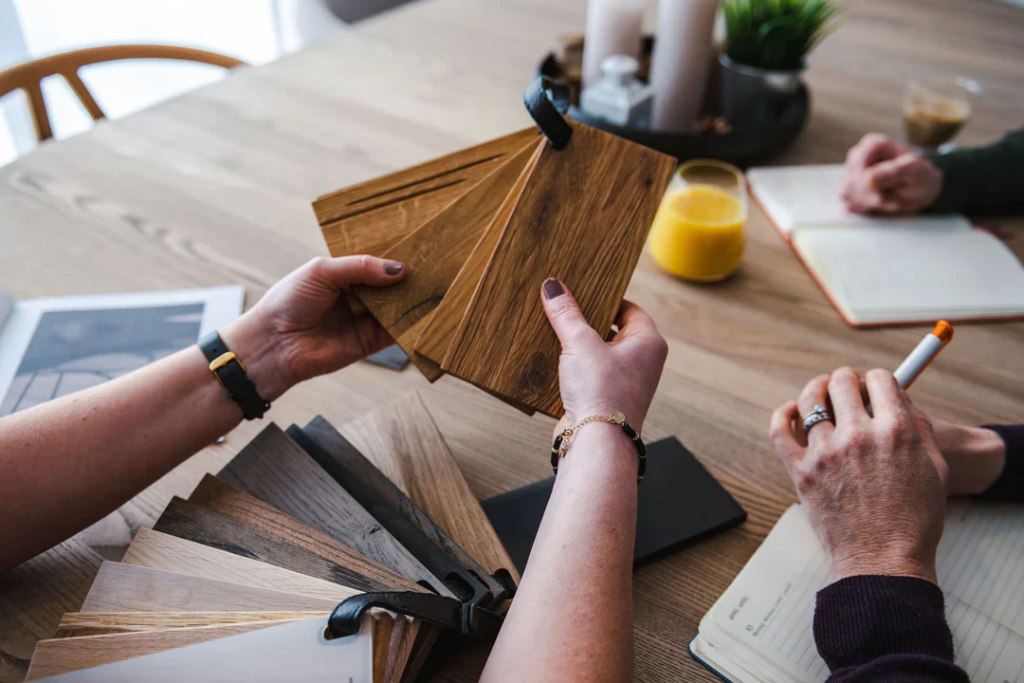
Milola finishes on wood and metal components employ techniques that protect while allowing natural material characteristics to emerge. Multiple-coat finishing processes build protective layers. Stain formulations highlight rather than conceal wood grain. Metal finishes age gracefully, developing subtle patinas that enhance rather than diminish appearance. Scratches and minor marks don’t hide beneath artificial surfaces but rather integrate naturally into the overall appearance. This honest finishing philosophy means your Milola furniture gains distinction rather than appearing damaged as years pass.
Maintenance That Preserves, Not Restores
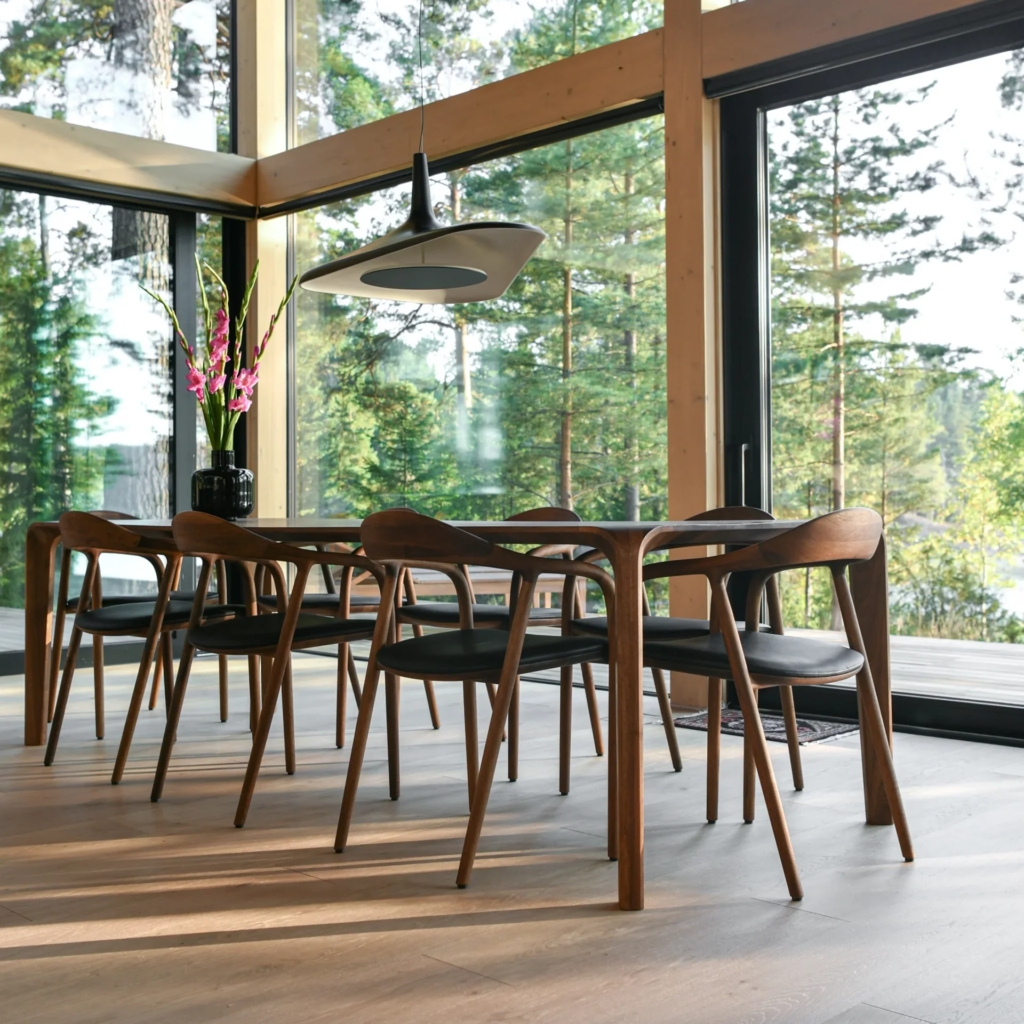
Milola provides detailed care information because proper maintenance extends the life and beauty of quality furniture. Simple procedures maintain finishes. Occasional deep cleaning refreshes upholstery. Hardware occasionally tightens from vibration. These aren’t constant battles against deterioration but rather gentle maintenance tasks that preserve pieces in excellent condition for decades. Many owners report their Milola pieces look better after fifteen years of regular use than contemporary mass-produced alternatives look after five years of careful handling.
Investment in Your Living Environment
- Structural quality ensures pieces remain functional and beautiful through decades of daily use and living
- Material durability means furniture develops pleasant patina rather than showing wear and deterioration
- Finishing techniques allow honest aging that adds character and story to your furnishings
- Maintenance simplicity means preserving quality furniture requires minimal effort and specialized products
Choosing Milola means rejecting the disposable mindset and investing in pieces that will enhance your living environment for as long as you own them. This is furniture for people building homes, not just furnishing spaces.