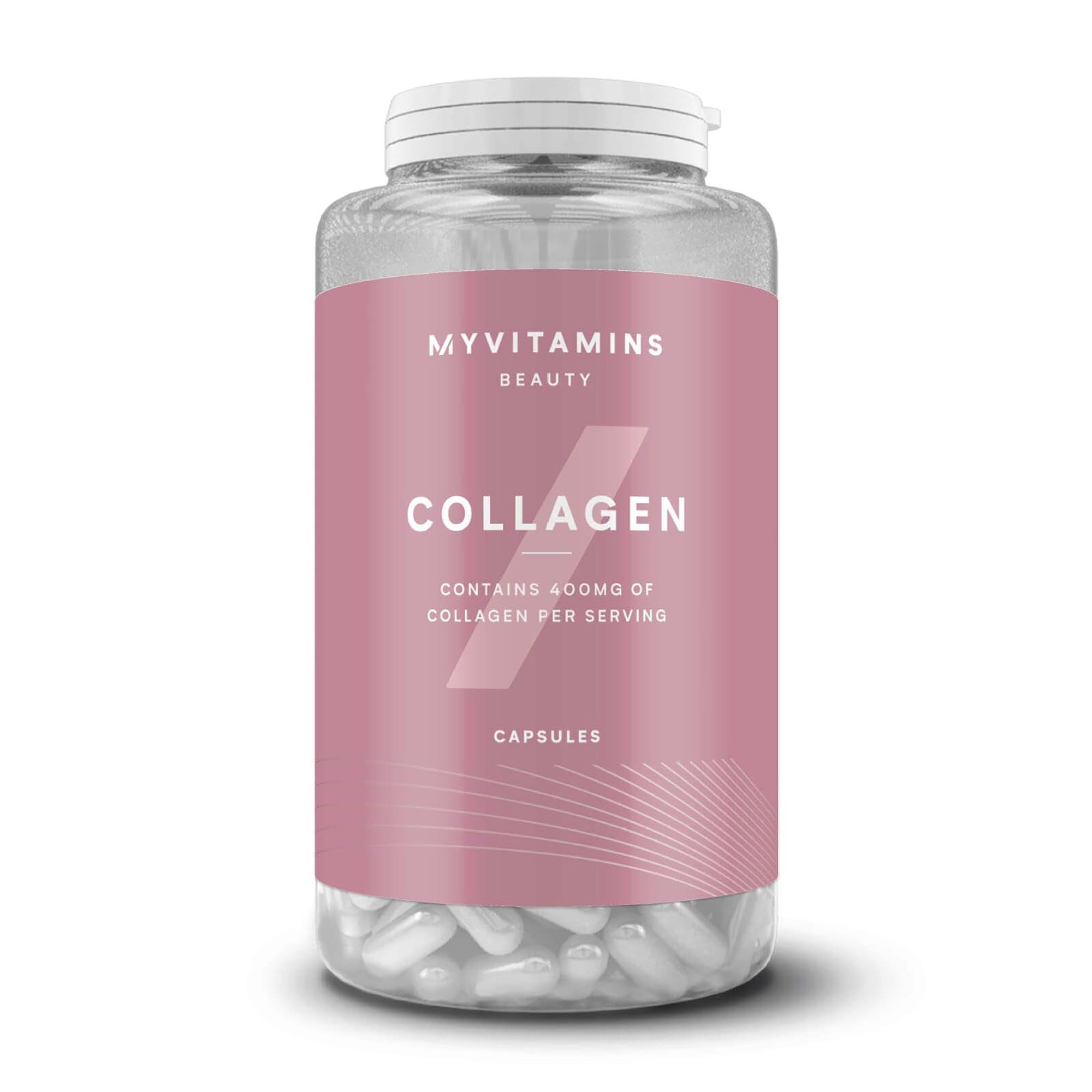
Despite unprecedented access to food, modern diets often fail to deliver adequate nutrition. Agricultural practices that prioritize yield over nutrient density, food processing that strips micronutrients, busy lifestyles that compromise balanced eating, and dietary restrictions that create specific gaps these factors combine to leave most people with nutritional deficiencies they never intended to develop. MyVitamins recognizes this reality and offers targeted solutions designed to address the most common nutritional shortfalls plaguing modern populations. Rather than suggesting you simply eat better an oversimplification ignoring systemic food system issues MyVitamins provides practical support for the bodies we actually inhabit in the world as it exists.
The Vitamin D Crisis
Perhaps the most widespread modern nutritional deficiency is vitamin D. Indoor work, geographic location in higher latitudes, sunscreen use (protective but vitamin D-blocking), and seasonal variation create a situation where adequate vitamin D from sun exposure alone is extremely difficult. MyVitamins vitamin D supplements address this directly with appropriately dosed formulations. This isn’t theoretical supplementation—multiple health organizations confirm that vitamin D supplementation meaningfully improves outcomes for most populations, particularly during fall and winter months.
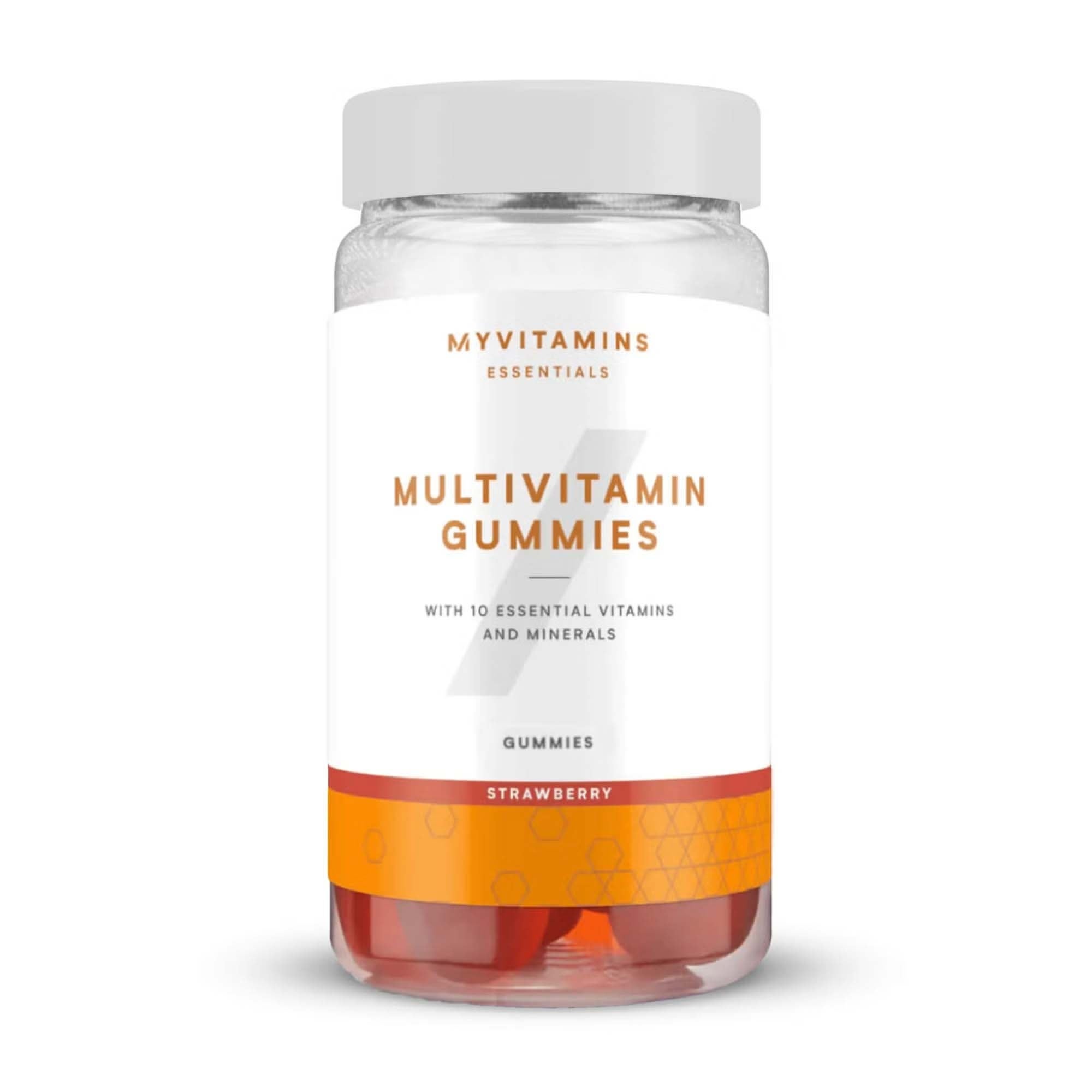
MyVitamins offers vitamin D options in different forms and strengths, acknowledging that optimal dosing varies by individual circumstances, baseline deficiency levels, and health status. Understanding your personal vitamin D status before supplementing enables optimized dosing that delivers benefits without unnecessary excess. Winter supplementation strategies differ from year-round approaches, and MyVitamins provides guidance helping customers develop personalized vitamin D supplementation programs matching their specific geographic, occupational, and health circumstances.
Plant-Based Nutrition and Supplementation
As plant-based eating becomes increasingly popular, supplementation becomes genuinely necessary rather than optional. Vitamin B12, iron, complete proteins, omega-3 fatty acids, and zinc have limited bioavailable sources in purely plant-based diets. MyVitamins provides specialized formulations addressing these gaps, allowing people to confidently maintain plant-based eating while meeting all nutritional needs. These aren’t compromises or inferior alternatives—they’re solutions that make plant-based nutrition genuinely sustainable.
The company’s B12 formulations, iron supplements, and omega-3 options designed for plant-based consumers demonstrate their understanding that different dietary approaches create different nutritional requirements. Plant-based athletes face specific demands requiring careful supplementation strategies ensuring adequate protein, iron, and micronutrient availability for training and recovery. MyVitamins acknowledges these specialized needs through targeted product development and educational resources supporting plant-based nutrition success.
Women’s-Specific Nutritional Needs
Women’s nutritional requirements differ from men’s in several critical ways: higher iron needs during menstruating years, calcium and vitamin D importance for bone density, and unique nutritional considerations during pregnancy and postpartum periods. MyVitamins offers women’s-specific formulations addressing these priorities rather than suggesting a one-size-fits-all approach. These formulations account for absorption interactions, optimal ratios of complementary nutrients, and the specific health priorities women actually face.
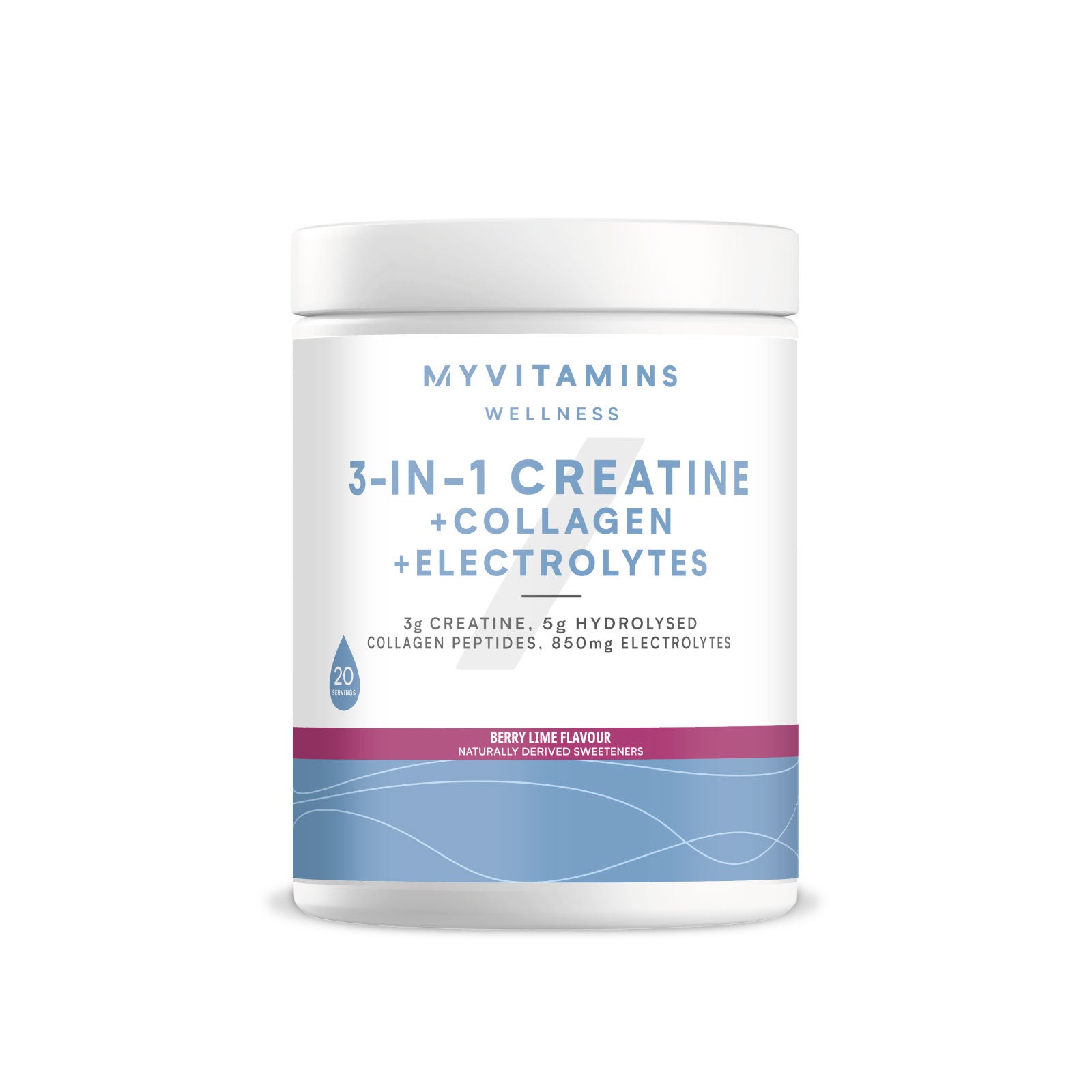
This targeted approach extends through menopause, where changing hormones create new nutritional demands that MyVitamins addresses with appropriate supplement formulations. Understanding that women’s nutritional needs change across lifespan stages enables proactive supplementation strategies supporting wellbeing throughout all life phases. Bone health, energy management, hormonal balance—these priorities shifting through menstrual, pregnancy, postpartum, and menopausal phases require nutritional approaches recognizing that one universal formula cannot serve all life stages equally.
The Aging Metabolism Challenge
As we age, nutritional needs change while nutrient absorption often declines. B vitamins become increasingly important for energy and cognitive function, mineral absorption decreases, and specific health concerns require targeted nutritional support. MyVitamins senior formulations acknowledge these realities, providing supplements optimized for aging bodies. They use forms of nutrients with better absorption in older adults, include ingredients addressing common age-related concerns, and maintain appropriate dosing for populations with different health statuses and medication interactions.
Rather than suggesting people simply eat better, MyVitamins acknowledges that aging sometimes requires targeted nutritional support. Understanding how aging affects nutrient absorption, metabolism, and utilization enables senior populations to maintain nutritional adequacy and support continued health and independence. Age-specific supplementation strategies recognize that life stage affects both nutritional needs and appropriate delivery mechanisms—liquid supplements, easily swallowed capsules, and convenient formats improve compliance and effectiveness for populations with different accessibility needs.
Supporting Active Bodies
Athletes and active individuals have elevated nutritional demands their normal diets often fail to meet. Increased caloric needs, elevated electrolyte losses, higher protein requirements, and demands for nutrients supporting recovery create unique nutritional situations. MyVitamins sports nutrition line addresses these requirements with formulations supporting performance, recovery, and injury prevention. These aren’t marketing supplements they’re products designed around the actual nutritional science of athletic performance.
Whether you’re training for competition or simply prioritize fitness, MyVitamins provides options acknowledging that active bodies have different nutritional needs. Recovery nutritional support differs substantially from pre-exercise fueling or maintenance supplementation—appropriate timing, nutrient combinations, and dosing maximize training adaptation and performance benefits. Understanding how exercise influences nutritional needs enables athletes and active individuals to optimize supplementation strategies supporting ambitious training objectives and competitive goals.
Gut Health and Nutrient Absorption
Some people struggle with nutrient absorption due to digestive conditions, food sensitivities, or other health factors. MyVitamins acknowledges this reality by offering formulations supporting digestive health alongside targeted supplements in forms optimized for people with absorption challenges. Liquid supplements, capsules designed for easy digestion, and formulations including digestive-supporting ingredients create options for people whose bodies don’t efficiently process conventional supplements.
This practical approach to individual variation demonstrates MyVitamins‘ genuine commitment to functional nutrition rather than one-size-fits-all marketing. Recognizing that gut health impacts supplement effectiveness enables targeted strategies where digestive support becomes prerequisite for efficient nutrient utilization. MyVitamins addresses gut-nutrient relationships through complementary supplementation approaches recognizing that healthy absorption capacity requires healthy digestive function.
Building Your Personal Supplement Strategy
The most important supplement choice isn’t selecting individual products it’s developing a personal strategy aligned with your actual nutritional gaps and health priorities. MyVitamins provides resources helping you understand your specific needs, identify realistic dietary solutions, and fill genuine gaps through supplementation. This thoughtful approach transforms supplements from impulse purchases into purposeful nutritional support where each product serves identified nutritional objective rather than representing marketing-driven consumption.