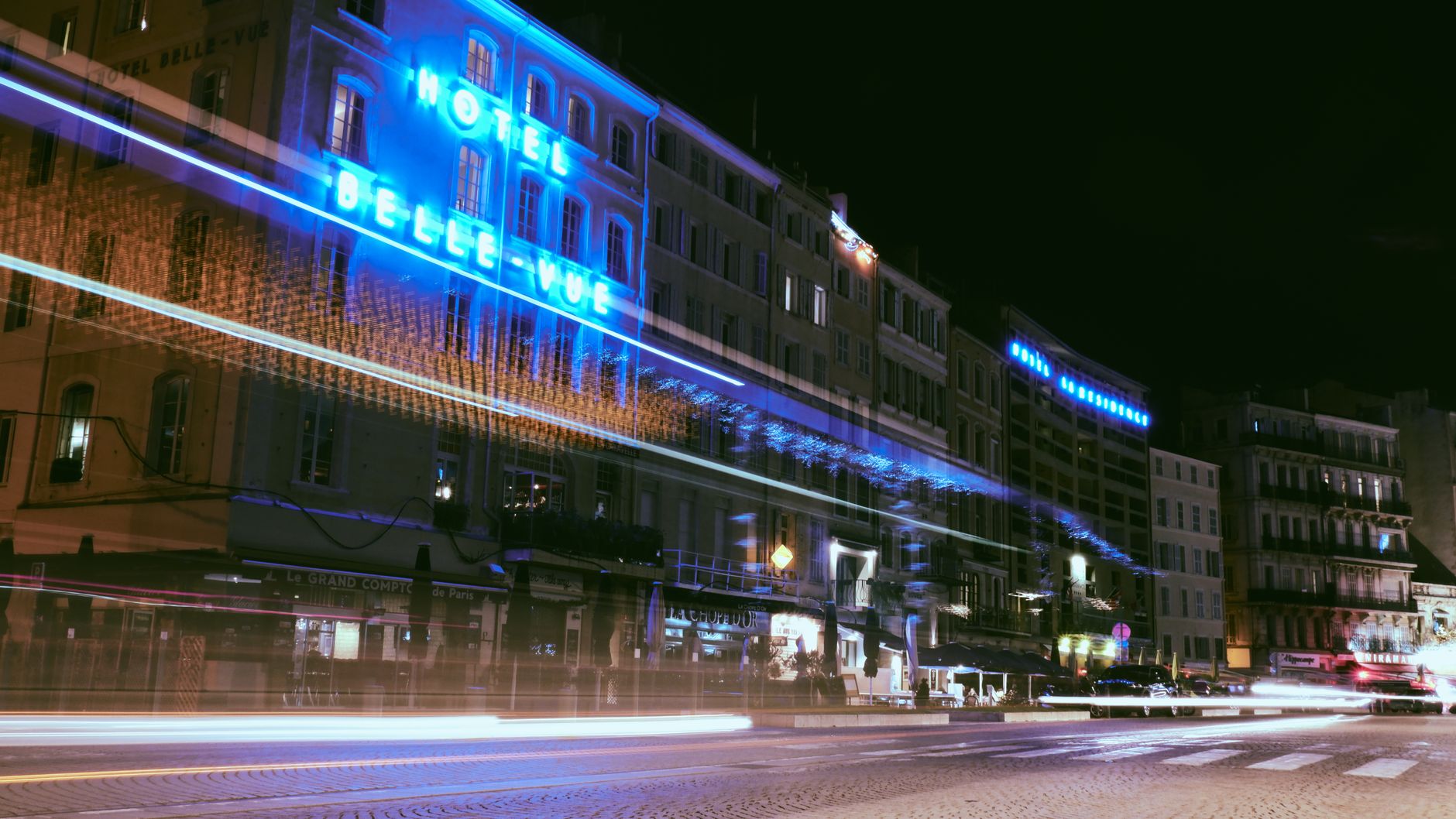
There’s a particular magic to places that have been lived in for centuries—where layers of history, culture, and human experience have accumulated into something that can’t be manufactured or replicated. Orleans is exactly this kind of place, a city where medieval architecture stands alongside contemporary culture, where art spills into streets, and where every corner tells a story. Vue Orleans invites you to explore this richness not as a tourist rushing through highlights but as someone genuinely experiencing what makes this place extraordinary.
What distinguishes Vue Orleans from typical travel guides and tourism websites is their commitment to authentic experience over commercialized spectacle. They recognize that true travel happens when you move beyond the obvious tourist landmarks and discover what locals actually care about—the neighborhood bistro with incredible food, the independent bookstore that feels like home, the bridge where artists gather at sunset. This is where genuine travel magic actually happens.
The Cathedral and Spiritual Heart
The Orleans Cathedral stands at the spiritual and literal center of the city, a structure so magnificent and meaningful that you can’t help but be moved by it even if you’re not particularly religious. Built over centuries, the cathedral embodies architectural styles from multiple eras, each addition representing the vision of different generations. Vue Orleans helps you understand not just what you’re seeing but the historical context that makes it meaningful.
Attending a service at the cathedral is an entirely different experience than visiting as a tourist. The reverence, the music, the sense of continuity with centuries of worshippers—these create a profound encounter that’s impossible in a rushed visit. Vue Orleans emphasizes experiences that connect you to living culture rather than viewing culture like exhibits in a museum.
Wandering Medieval Streets
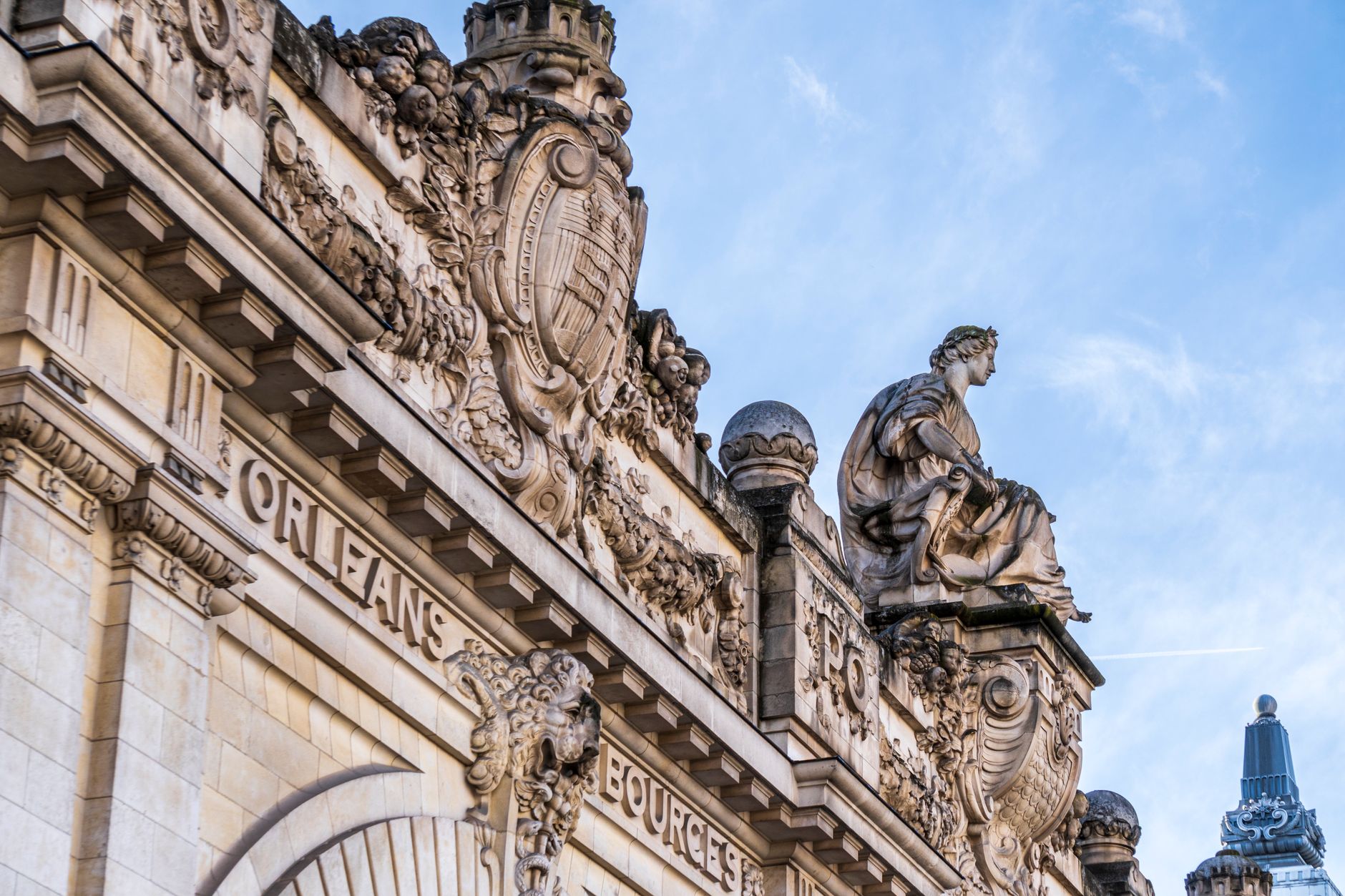
The medieval heart of Orleans is a maze of narrow streets, unexpected squares, and architectural details that reward slow exploration. Half-timbered buildings lean companionably toward each other. Narrow alleys open suddenly into public spaces. These aren’t wide, planned boulevards but organic growth evolved over centuries to accommodate human life and commerce. Vue Orleans guides this exploration with historical context and practical suggestions for where to pause, what to notice, and where to rest.
The experience of walking these streets transforms when you’re not rushing toward a specific landmark but rather allowing the place to reveal itself. A café appears where you need coffee. A gallery invites you in. A view catches your eye. This kind of wandering is fundamental to understanding a place—you experience it as humans have experienced it for generations.
The River and Its Significance
The Loire River has shaped Orleans’ development and identity for centuries. It was the commercial lifeline of the city, the path for trade goods and ideas flowing in and out. Vue Orleans emphasizes the river as essential to understanding the city, not merely as a scenic backdrop. Walking along the riverbanks, you can imagine the bustle of medieval commerce, the vessels arriving with exotic goods and departing with local products.
Modern Orleans maintains a complex relationship with its river. While commercial shipping has diminished, the river remains central to city life and identity. Parks line the banks. People fish and relax along the water. Understanding the river transforms your understanding of the entire city—why it was built here, how it developed, what made it important.
Art and Contemporary Culture
Orleans isn’t living in the past—it’s a dynamic contemporary city where artists, musicians, and creators choose to live and work. Vue Orleans connects you with this contemporary vitality. Independent galleries in converted medieval buildings display challenging modern work. Music venues ranging from classical concert halls to intimate jazz clubs offer richness and variety. Street art appears in unexpected places, transforming neighborhoods into open-air galleries.
This layering of historical and contemporary creates something genuinely unique. You can visit a cathedral built in the medieval period, then step into a gallery displaying photography from this year. This isn’t contradiction—it’s the normal texture of a living city where past and present coexist.
Food and Culinary Traditions
French food culture is often romanticized, but in Orleans the reality lives up to the romance. Vue Orleans guides you toward authentic dining—not fancy restaurants designed for tourists, but places where local people actually eat. A neighborhood bistro might offer simpler food but more genuine experience than an elaborate gastronomic destination.
The local food reflects the Loire Valley agriculture surrounding Orleans. Fresh vegetables, local wines, regional specialties—these aren’t curated for visitors but genuinely what people here eat. Eating where locals eat provides a direct window into how people actually live in a place.
Planning Your Orleans Experience
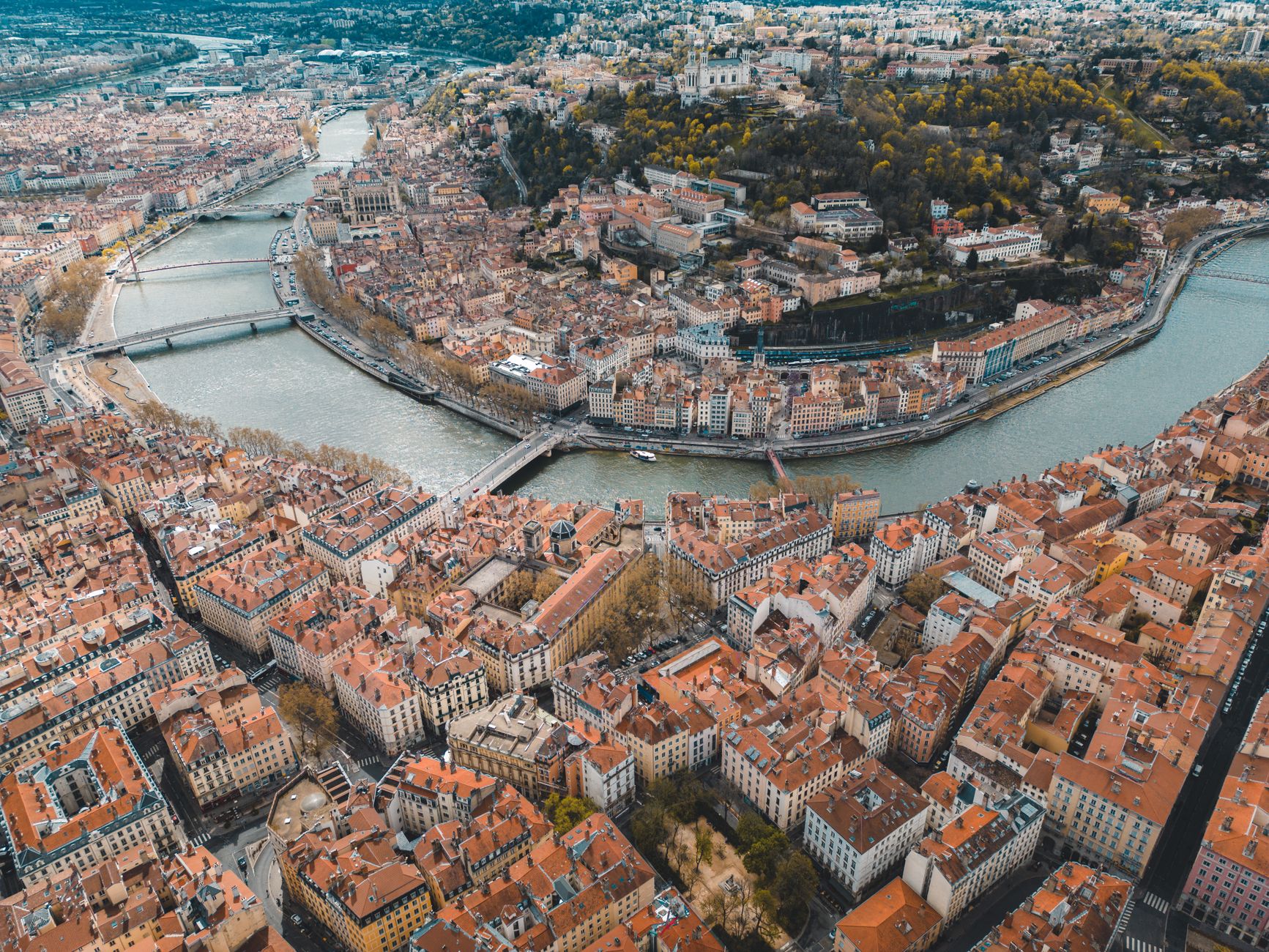
The most rewarding visits to Orleans aren’t heavily scheduled. Vue Orleans provides the information and context you need to explore independently, make discoveries, and have genuine encounters. Build in time for wandering. Allow yourself to get slightly lost—this is where authentic experience happens. Chat with locals over coffee. Visit museums at your own pace. Watch how light changes on the cathedral throughout the day.
Orleans invites slow travel—the kind where you actually become somewhat familiar with a place rather than simply checking off landmarks. Vue Orleans makes this kind of authentic travel accessible, helping you move beyond tourism into genuine experience. Discover for yourself why this city has captivated visitors and residents for generations.