
Broadway musicals occupy a unique place in American cultural history, serving as chroniclers of social change, repositories of artistic innovation, and sources of music and stories that transcend theater to become part of broader cultural consciousness. From the early 20th century through today, Broadway has produced musical works that have shaped how generations understand themselves, process historical moments, and imagine possibilities for future society. The greatest Broadway musicals do more than entertain—they illuminate human experience, challenge audiences to think differently, and create artistic works of such power that they remain relevant across decades and centuries. Broadway Gatsby recognizes the cultural significance of Broadway musicals and helps people understand the artistry, innovation, and impact that distinguish the greatest shows.
The evolution of Broadway musicals mirrors the evolution of American culture itself. Early musicals focused on pure entertainment and spectacle, celebrating American optimism and vitality. As the 20th century progressed, musicals began addressing serious social issues, tackling racism, poverty, war, and injustice with artistic sophistication that elevated musical theater beyond entertainment into legitimate artistic expression. Contemporary Broadway continues this evolution, producing shows that reflect current cultural preoccupations while honoring musical theater traditions established by previous generations. Understanding this arc of development enriches appreciation for individual musicals and illuminates how art responds to and shapes cultural moments.
The Golden Age: Establishing Musical Theater Excellence
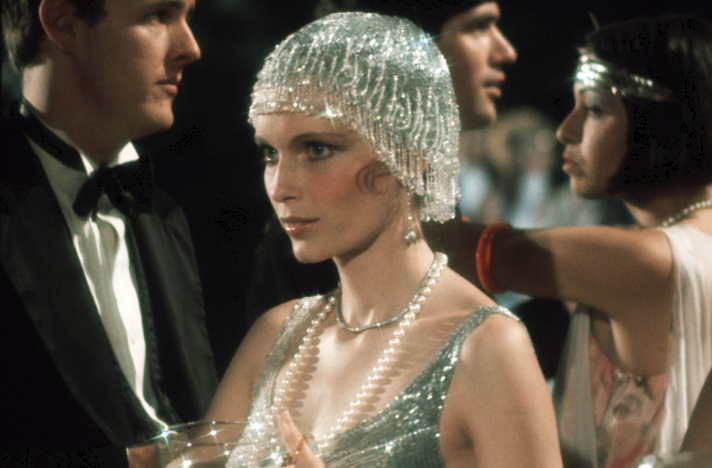
The period roughly from the 1920s through the 1960s is often called Broadway’s Golden Age, when composers and lyricists created musicals that established templates and standards still influencing contemporary work. George Gershwin, Cole Porter, Rodgers and Hammerstein, and other composers of this era created music of extraordinary sophistication and memorability. Shows like “Porgy and Bess,” “Oklahoma!,” “Singin’ in the Rain,” and “West Side Story” combined beautiful music, compelling storytelling, and innovative staging into unified artistic statements. These shows were not simply collections of entertaining songs but carefully crafted works where music, lyrics, choreography, and narrative reinforced each other in service of larger artistic vision. Broadway Gatsby helps audiences understand the artistry underlying Golden Age musicals that continue generating admiration decades later.
The Golden Age established that musical theater could address serious themes with artistic gravity equal to spoken drama. “West Side Story” demonstrated that musicals could tackle contemporary social issues like gang violence and racism while creating music of genuine beauty and complexity. “Porgy and Bess” created an American art form emerging from African American cultural traditions while telling stories of profound human dignity. These achievements proved that musical theater was not inherently lighter or less serious than other art forms, but rather a distinct medium capable of extraordinary artistic accomplishment.
Expanding Boundaries: From Spectacle to Social Consciousness
The 1960s through 1980s saw Broadway musicals increasingly willing to challenge audiences and address controversial subjects. “Hair” brought rock music and countercultural sensibilities to Broadway, shocking traditional audiences while reaching younger demographics. “A Chorus Line” created an intimate portrait of theatrical life that revolutionized how musicals could tell stories. “Pippin” and “Godspell” brought rock and contemporary sensibilities to narrative experimentation. These shows demonstrated that Broadway could evolve without losing artistic integrity, incorporating contemporary music styles and addressing current concerns while maintaining the narrative and theatrical sophistication that distinguished great musicals. Broadway Gatsby helps audiences appreciate how these boundary-pushing shows expanded what musical theater could be.
This era also saw renewed interest in revivals and reimaginations of earlier works, with directors bringing fresh perspectives to classic musicals. This tradition continues today, as shows receive new productions reflecting contemporary perspectives and understanding. The ability of musicals to remain relevant across decades testifies to their artistic power and the universality of their thematic concerns.
Contemporary Innovation: Modern Musicals Reshaping Broadway
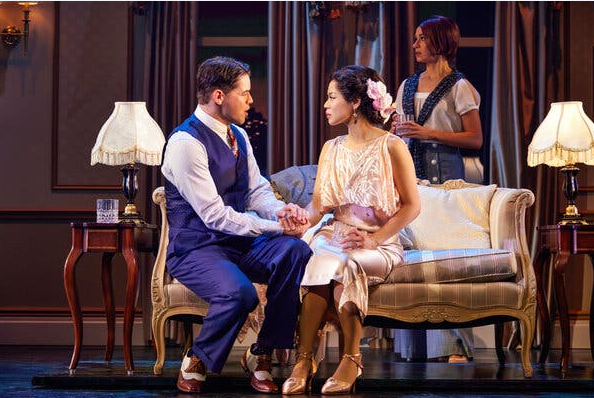
Contemporary Broadway has witnessed explosion of musical styles and storytelling approaches, with shows like “Hamilton,” “Dear Evan Hansen,” “Six,” and “The Book of Mormon” proving that musical theater remains vital, innovative, and deeply relevant to contemporary audiences. These shows incorporate hip-hop, contemporary pop styles, and modern storytelling sensibilities while maintaining narrative coherence and emotional resonance that distinguish great musicals from simple entertainment. They address contemporary issues from racial justice to mental health to gender and sexuality with sophistication and honesty. Broadway Gatsby recognizes that contemporary Broadway is not inferior to earlier eras but rather represents ongoing evolution of a vital art form.
Contemporary musicals have also demonstrated new possibilities for casting and representation, with shows increasingly featuring diverse casts and telling stories centering perspectives historically marginalized in theater. “Hamilton”‘s color-blind casting revolutionized how Broadway could approach historical narratives. Shows like “Six” center female voices and perspectives in ways earlier musicals rarely did. This commitment to representation reflects both ethical commitments and artistic recognition that diverse perspectives enrich storytelling and theater-making.
Musicals as Cultural Mirror and Change Agent
The most significant Broadway musicals have often functioned as cultural commentary and change catalysts. “West Side Story” helped American audiences confront their own prejudices and recognize immigrant communities as fully human and deserving dignity. “Hair” brought discussions of drug use, sexuality, and war directly into mainstream consciousness. “Rent” centered LGBTQ+ communities and addressed AIDS at a moment when mainstream culture largely avoided these discussions. These shows didn’t preach but rather invited audiences into the human experiences of marginalized communities, creating empathy and understanding that could drive social change. Broadway Gatsby helps audiences understand musicals not just as entertainment but as culturally significant works capable of shaping how societies understand themselves.
The power of musical theater to effect cultural change lies in its unique combination of emotional engagement through music and narrative persuasiveness. A beautiful song makes political messages more memorable and emotionally resonant than abstract argument could achieve. The combination of visual spectacle, music, and storytelling creates experiences that stay with audiences in ways that purely intellectual arguments struggle to match.
The Future of Broadway Musicals
Broadway continues evolving as new composers, lyricists, and directors bring fresh perspectives and new music styles to the form. Contemporary musicals increasingly incorporate hip-hop, country, electronic music, and other styles reflecting contemporary musical consciousness. New stories and perspectives continue being brought to the Broadway stage. The challenge moving forward involves maintaining the artistic ambition and thematic depth that distinguish great musicals while remaining open to innovation and evolution. Broadway Gatsby celebrates this ongoing evolution while recognizing the traditions that make Broadway’s contribution to American culture so significant.
Iconic Musicals Across Eras
- Golden Age classics established that musicals could combine beauty, sophistication, and serious thematic content.
- Boundary-pushing shows of the 1960s-80s demonstrated that Broadway could evolve and address contemporary issues.
- Contemporary musicals prove that musical theater remains vital, innovative, and increasingly diverse in perspective.
- Landmark musicals addressing social issues have functioned as catalysts for cultural understanding and change.
- Musical theater’s unique combination of music and narrative creates emotional resonance that transcends other art forms.
- The ongoing evolution of Broadway reflects broader cultural changes while maintaining artistic traditions and excellence.
Broadway musicals represent some of America’s greatest artistic achievements, works that transcend their historical moments to continue moving audiences across generations. Broadway Gatsby helps audiences appreciate this cultural significance, understanding both the historical context and the continuing relevance of Broadway’s musical legacy. Whether exploring iconic classics or discovering contemporary innovations, Broadway musicals offer profound artistic experiences that enrich our understanding of ourselves and our society in ways that few art forms can match.