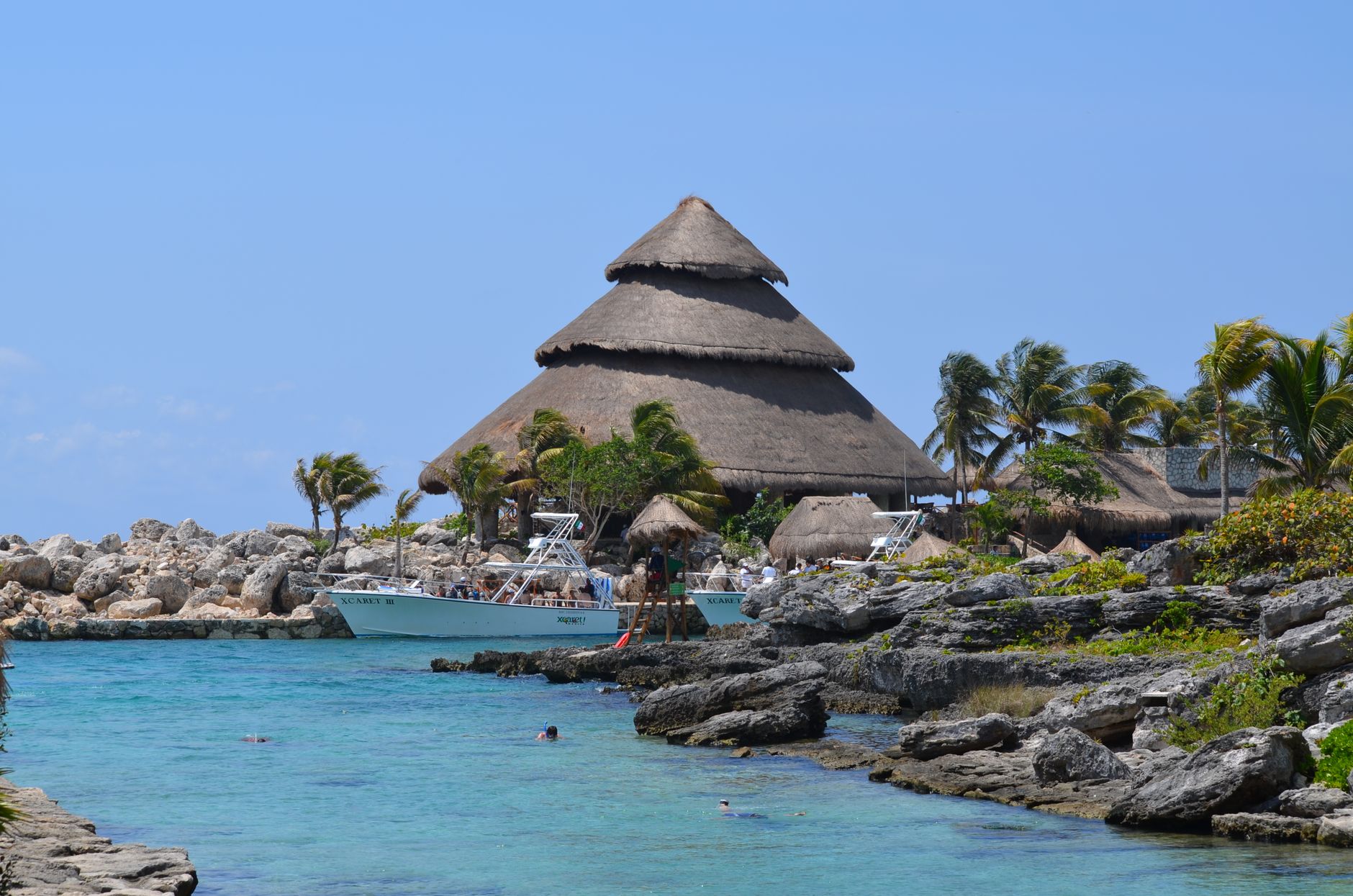
The concept of a vacation has evolved. Twenty years ago, traveling meant finding a resort where you could isolate yourself from the destination. Pool days, air-conditioned rooms, and meals identical to those at home defined the experience. But something fundamental has shifted in how travelers view their time away. People increasingly seek immersion. They want genuine connection to the places they visit. They want to understand culture, geography, and the ways ordinary people live. Xcaret in Mexico’s Riviera Maya represents this new approach to destination travel—a space where tourism serves education and cultural preservation rather than replacing them.
Xcaret is not a conventional resort. It’s an eco-archaeological park built around cenotes, underground rivers, and ancient Mayan sites. The park sits on 370 acres of Yucatan landscape, integrating natural geography with cultural spaces designed to celebrate Mexican heritage. Every element of Xcaret’s design prioritizes the destination itself—its ecosystems, its history, its people. Visitors don’t arrive to escape Mexico; they arrive to understand it more deeply.
The Geography of Connection
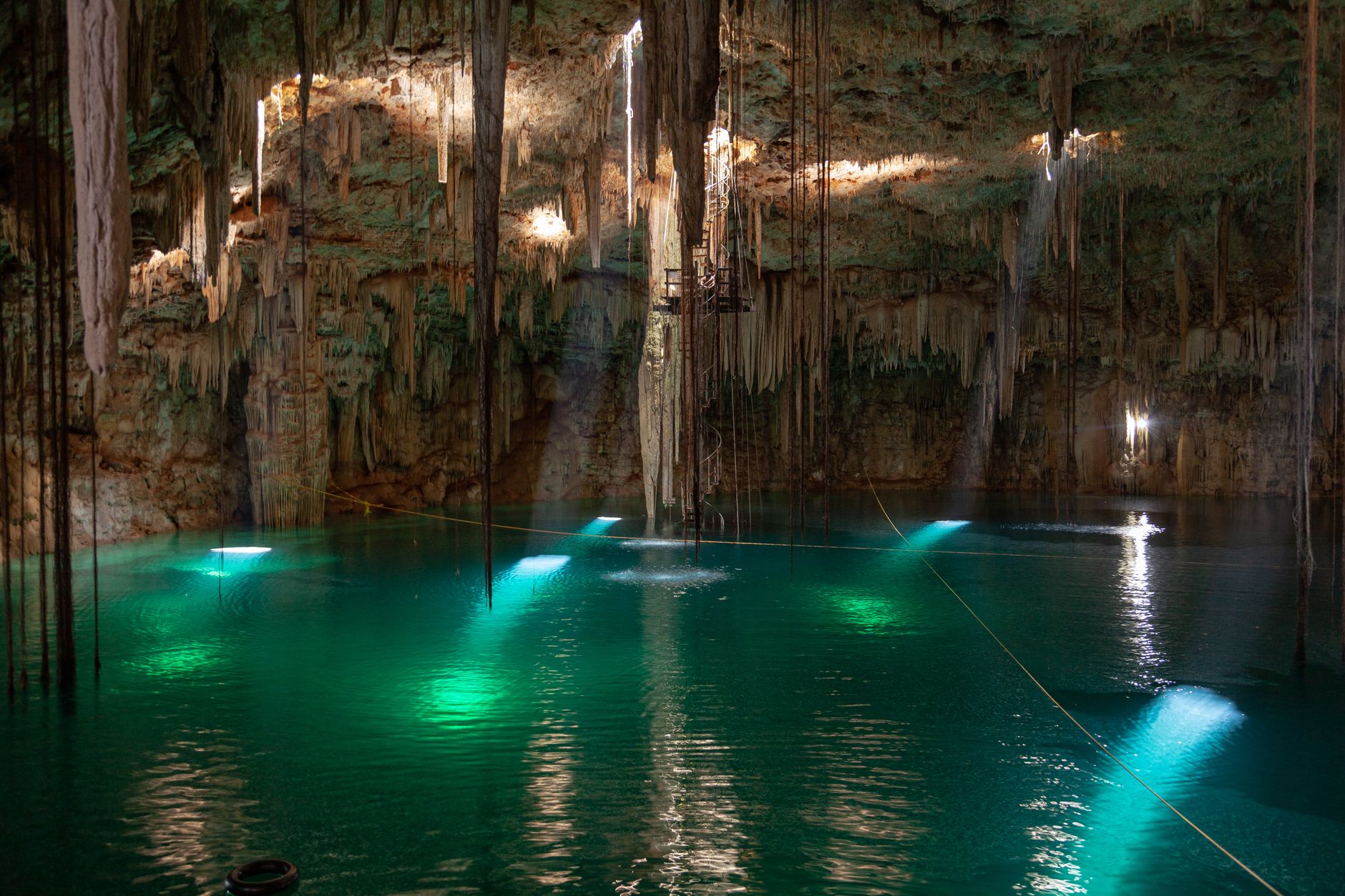
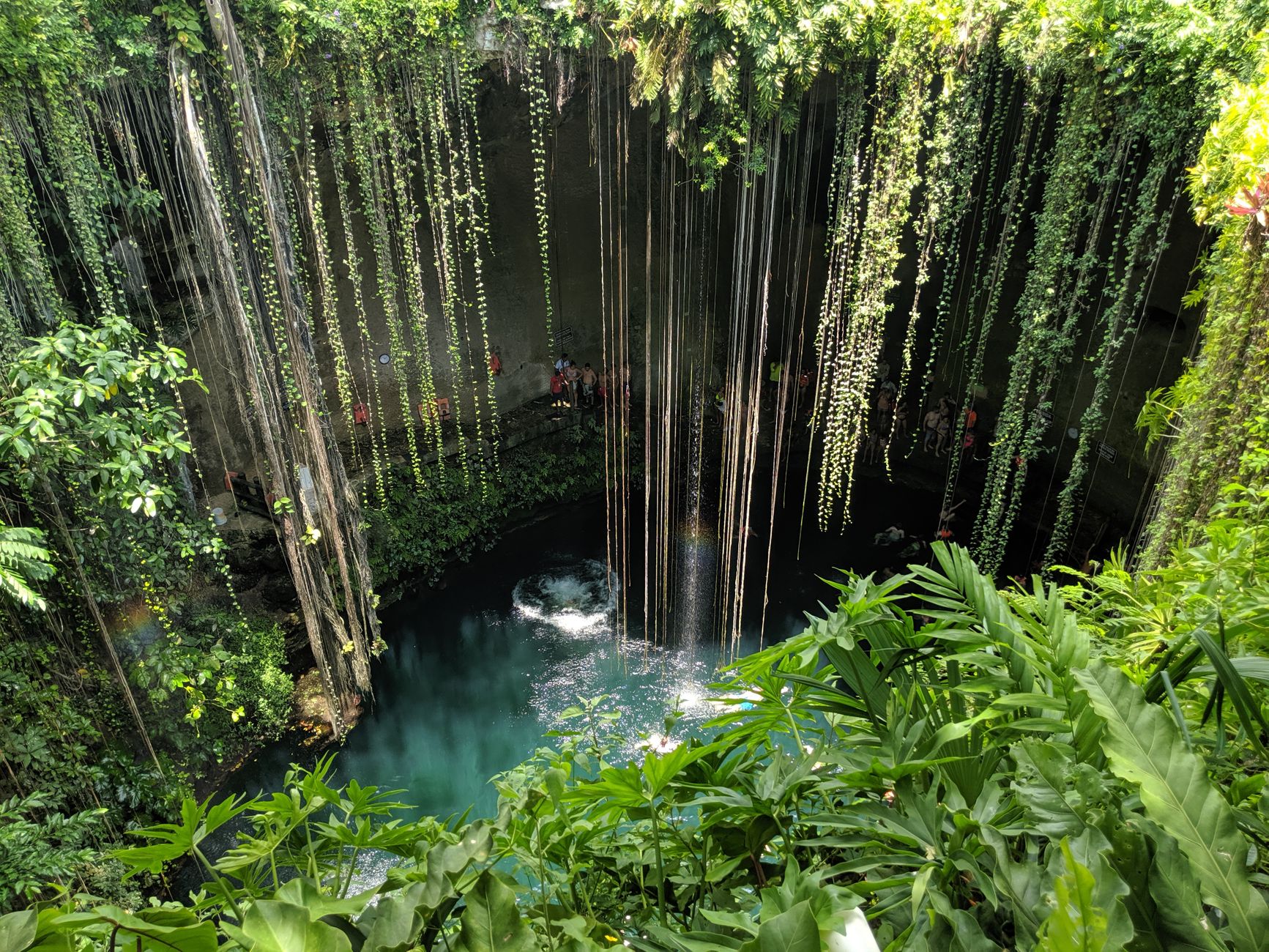
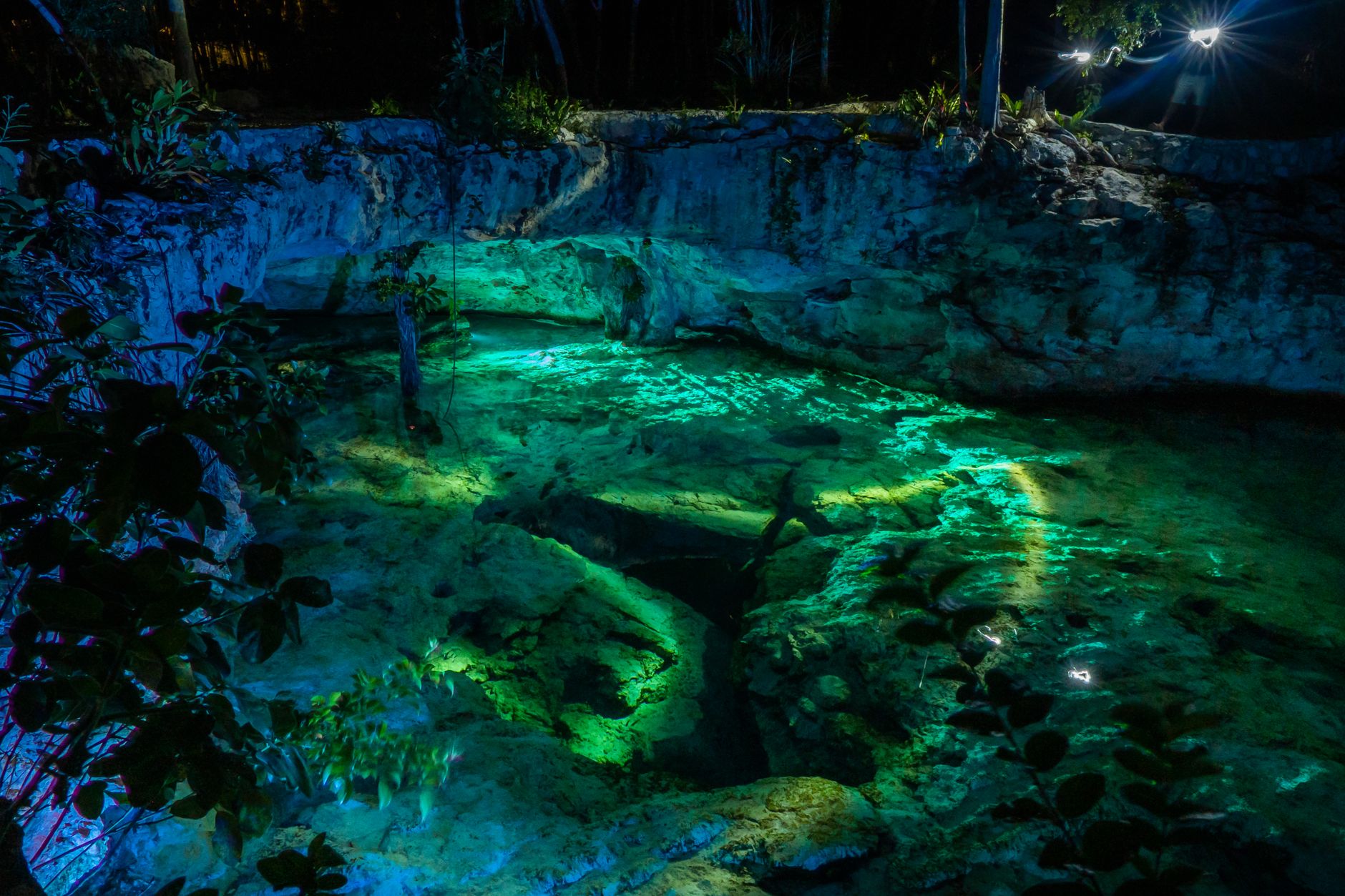
Cenotes define the Yucatan Peninsula. These sinkholes reveal underground freshwater systems that sustained Mayan civilization for millennia. Walking into a cenote means touching the literal bedrock of an ancient culture. Xcaret preserves multiple cenotes and integrates them into the visitor experience without destroying them. Underground rivers flow through caverns that open to the sky. Swimming in these spaces connects you directly to the environment that shaped Mayan society.
The park’s design respects the landscape rather than dominating it. Paths wind through native forest. Buildings blend with natural architecture. The layout encourages exploration rather than herding visitors through predetermined attractions. This approach transforms tourism into actual travel—you discover Xcaret rather than being delivered to it.
Living History, Not Performance
Many cultural tourism sites treat indigenous cultures as museum pieces. Xcaret rejects this model. The park employs Mexican artisans and performers who share their actual crafts and traditions. You watch weavers create textiles using techniques passed through generations. You see dancers perform traditional ceremonies that still carry meaning in their communities. The difference is subtle but profound—performers are sharing their culture, not performing a caricature of it.
This distinction matters enormously. When cultural exchange happens authentically, both sides benefit. Visitors gain genuine understanding instead of superficial impressions. Communities receive economic support while maintaining cultural autonomy. Xcaret demonstrates that tourism can strengthen cultural preservation rather than threatening it.
Ecosystem Preservation as Tourism Model
Xcaret operates as both a business and an environmental organization. The park manages extensive ecological restoration efforts throughout the Yucatan. Cenotes are protected from overdevelopment. Native species are cultivated. Coral reef restoration happens offshore. This integration of conservation and commerce creates an economic incentive for environmental protection rather than exploitation.
The biodiversity of the region remains visible and accessible to every visitor. Flamingos, jaguars, manatees, and countless bird species inhabit the park. Walking through Xcaret, you’re constantly aware of the natural systems sustaining this ecosystem. This constant ecological presence teaches visitors about environmental interconnection more effectively than any lecture.
The Underground River Experience
Xcaret’s most distinctive feature may be the underground river. Visitors float through flooded caverns in complete darkness except for the minimal light from your guide. The sensation is both peaceful and otherworldly. You’re suspended in water flowing beneath solid earth, experiencing the hidden geography that supports the entire region. The metaphor is obvious but powerful—beneath every surface lies complexity and depth you normally never see.
This experience creates visceral understanding. People leave having felt the Yucatan’s geological character rather than merely read about it. They’ve experienced darkness, water, rock, and history as physical sensations.
Food as Cultural Gateway
Xcaret’s dining genuinely reflects Yucatecan cuisine rather than adapting it for tourist palates. Regional dishes use ingredients grown in the region, prepared using traditional techniques. Dining becomes a way of understanding how geography shapes culture—the specific plants that thrive here, the cooking methods developed to preserve foods, the flavors that define a region.
This approach to food tourism demonstrates respect for the destination. Visitors aren’t experiencing a menu designed for them; they’re experiencing the actual food people in this place eat. The distinction encourages understanding rather than mere consumption.
The Practical Difference
Staying at Xcaret changes how you travel. You’re fully immersed in the destination rather than passing through it. You see cultural continuity, not isolated attractions. You understand that tourism can support preservation, not threaten it. You learn that traveling deeply requires choosing destinations designed around authentic connection rather than resort isolation.
This model of travel costs more than conventional resorts, but the investment aligns with your actual values. You’re paying for genuine experience, environmental protection, and cultural support. The money goes toward the community you’re visiting rather than international corporations.
Travel’s Meaningful Direction
Xcaret represents where conscious travel is moving. Visitors increasingly want their tourism dollars to strengthen the places they visit. They want experiences that teach rather than distract. They want to return home having understood something real. Destinations that facilitate this—through ecosystem preservation, cultural authenticity, and geographic immersion—will increasingly attract travelers seeking meaning in their journeys. Xcaret demonstrates that this approach succeeds economically while succeeding morally.