Welding represents a skilled trade demanding respect, knowledge, and quality equipment that performs reliably under demanding conditions. Whether you’re approaching welding as serious DIY hobby or professional pursuit, selecting appropriate equipment significantly impacts your results, safety, and long-term costs. Poor equipment frustrates through inconsistent performance and frequent repairs, while quality welding equipment enables clean, strong joints and years of reliable service. Arc Captain has built reputation providing welding solutions across diverse skill levels, offering equipment that professionals trust and DIY enthusiasts can learn with confidently, balancing quality with accessibility.
The welding equipment market contains vast range of options at different price points and quality levels, making informed selection essential. Understanding your specific needs, typical project types, and realistic budget enables you to select equipment serving you well rather than purchasing either excessive capability you won’t use or inadequate equipment creating frustration.
Assessing Your Welding Needs
Effective equipment selection begins with honest assessment of what you’ll actually be welding. DIY hobbyists working on occasional projects need different equipment than farmers welding regularly or professionals running fabrication businesses. Project types matter significantly: light automotive repairs require different equipment than heavy structural work. Metal types being welded influence equipment choice: mild steel requires different capabilities than stainless steel or aluminum. Frequency of use determines whether renting makes more sense than purchasing. Arc Captain offers equipment across this spectrum, ensuring you can find solutions matching your specific situation rather than purchasing either insufficient or over-specced equipment.
Honest assessment of your typical projects prevents purchasing expensive equipment for capabilities you’ll rarely use. A hobbyist welding occasional garden gates needs different specifications than a professional managing multiple daily jobs. Similarly, someone welding primarily mild steel in controlled shop conditions has different requirements than someone working in outdoor construction environments where portability and weather resistance matter significantly.
Understanding Welding Process Options
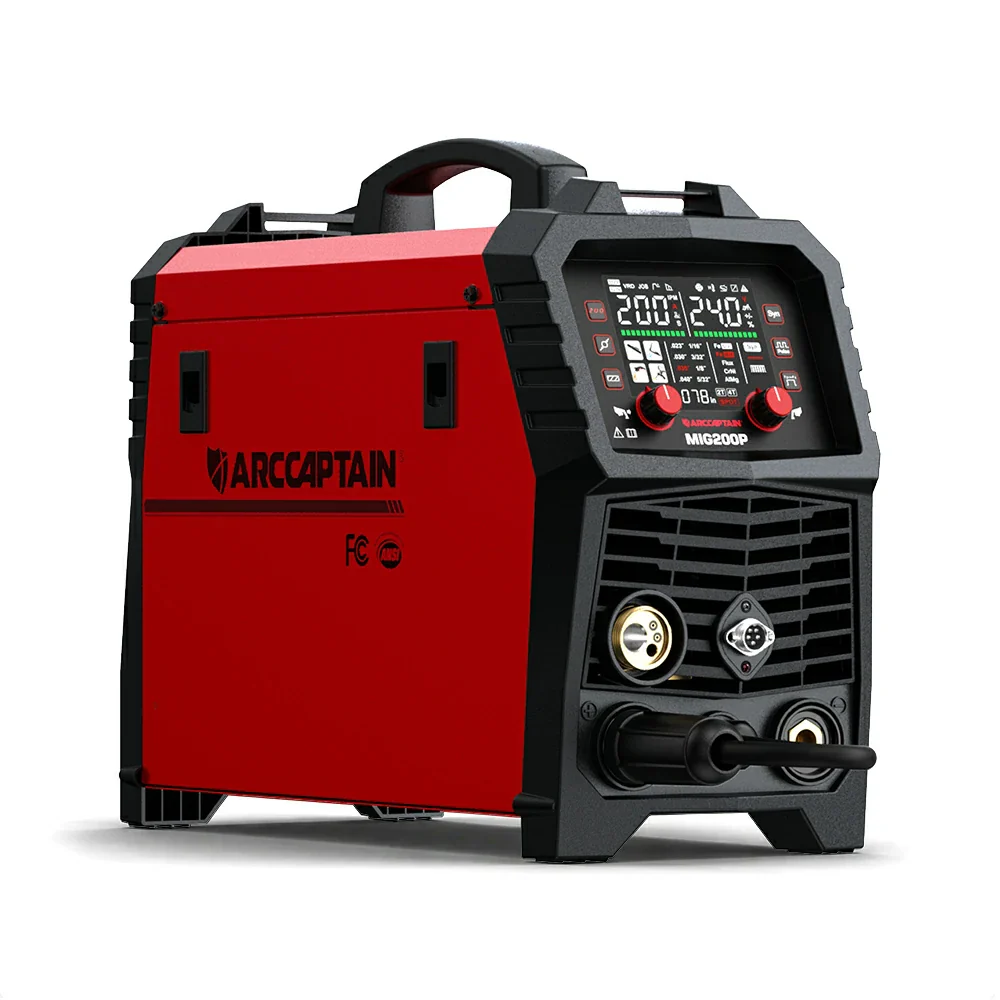
Different welding processes suit different applications and skill levels. MIG welding provides fastest learning curve and good versatility for beginners, handling both ferrous and non-ferrous metals effectively. The wire feeding mechanism makes MIG approachable for newcomers while remaining capable enough for professional applications. Stick welding requires more skill but works reliably in outdoor and less-controlled environments, making it popular for fieldwork and heavy structural applications. TIG welding demands greatest operator skill but enables most precise, high-quality welds, preferred for critical applications and exotic metals including aluminum and titanium. Arc Captain offers equipment supporting these major processes, helping you select technology matching your intended applications and skill development path.
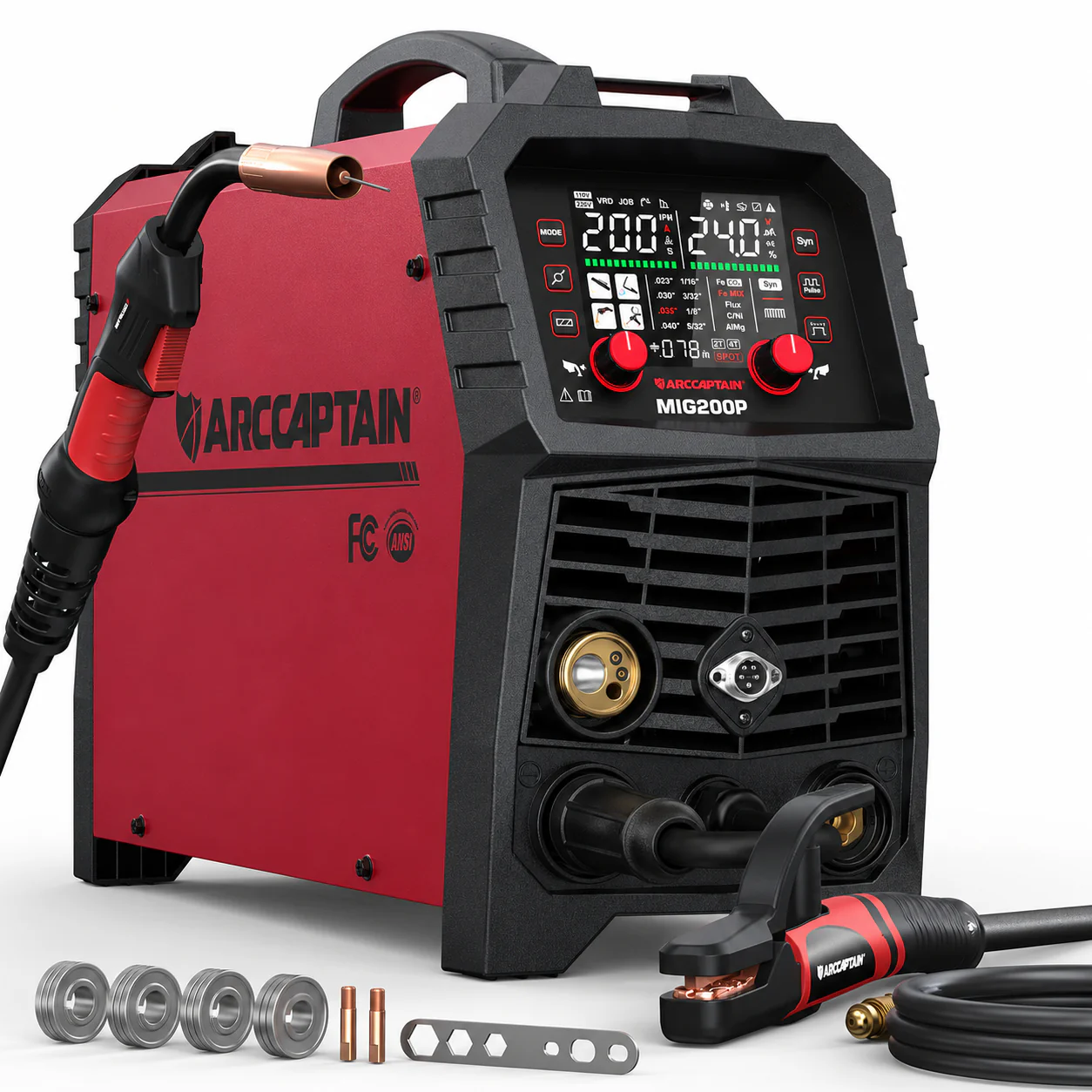
Many welders benefit from multi-process capabilities, enabling them to select optimal process for each specific application rather than limiting themselves to single approach. A machine capable of both MIG and stick welding provides greater versatility than single-process equipment, though potentially at higher initial cost justified through expanded capabilities.
Power Requirements and Portability Considerations
Welding equipment requires appropriate power supply, with smaller machines running on standard household circuits and larger equipment needing dedicated high-amperage service. Portability matters for fieldwork or mobile applications, while stationary shop use permits larger equipment without compromise. Duty cycle affects practical usage patterns: equipment rated for intermittent hobby use with 20 percent duty cycles isn’t appropriate for continuous professional work requiring 60 percent or higher duty cycles. Understanding these specifications prevents purchasing equipment that throttles back or shuts down when you need it most. Arc Captain provides equipment with varying power requirements and portability options, ensuring compatibility with your actual working conditions rather than forcing compromise between power and mobility.
Understanding your specific power situation prevents purchasing equipment you cannot practically operate. A portable machine with limited power suits different needs than stationary shop equipment with maximal capability. Someone running from generator needs equipment designed for generator operation, while someone with shop service benefits from full-capacity stationary equipment.
Quality and Durability: Long-Term Value Considerations
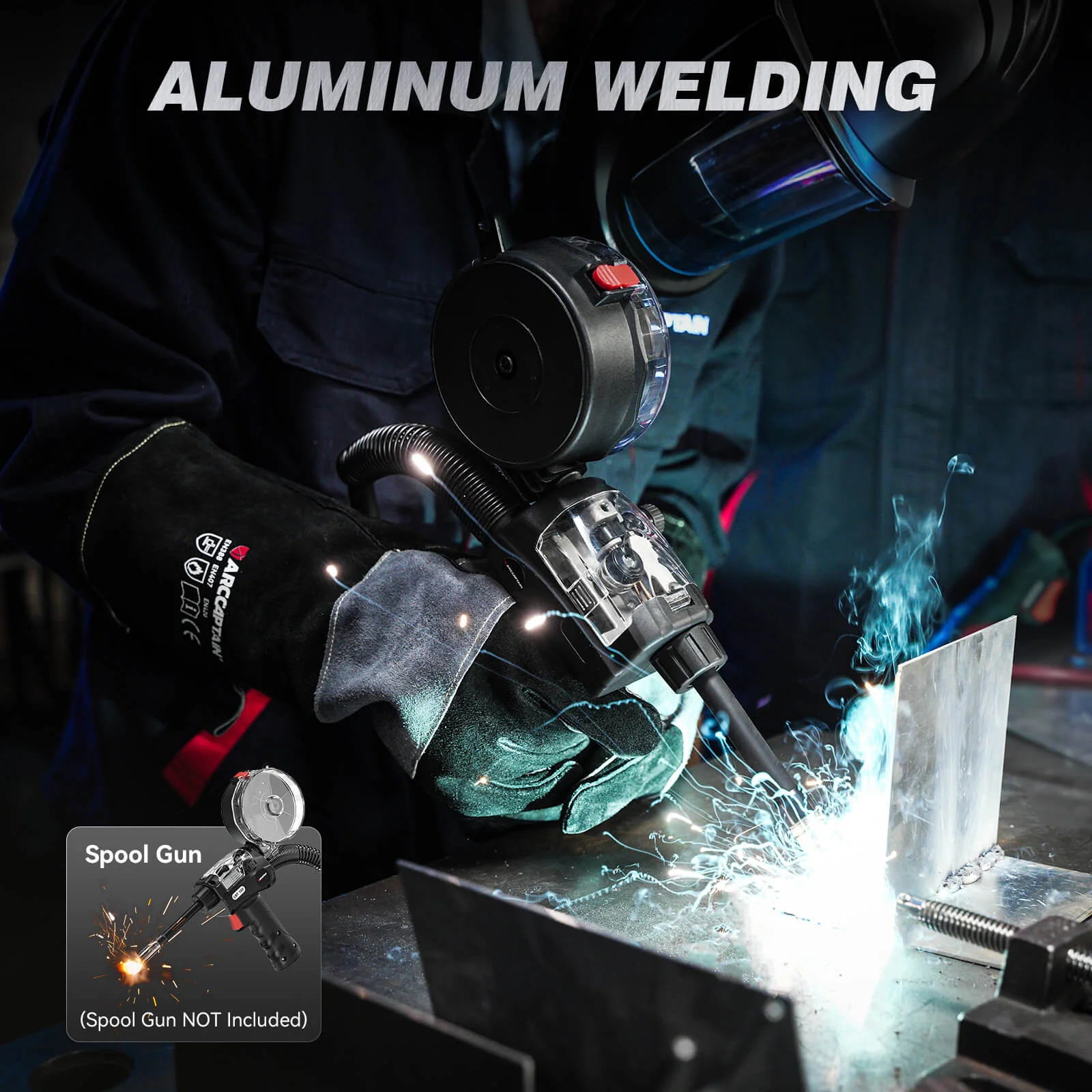
Quality equipment proves more cost-effective over years of use than cheaper alternatives requiring frequent repairs and replacement. Reliable machines produce consistent results improving your welds, while unstable equipment creates frustration and defective joints. Build quality, components selection, and manufacturer support contribute to long-term value significantly. Arc Captain prioritizes build quality and reliability, creating equipment that professionals depend upon and enthusiasts can trust to perform consistently across years of use.
A quality machine purchased once and maintained properly typically costs less over decade of ownership than repeated purchases of cheaper equipment failing prematurely. Budget equipment may fail during critical projects, creating timeline disasters and forcing emergency replacement, whereas reliable equipment simply continues working supporting your welding goals.
Learning Curve and Skill Development
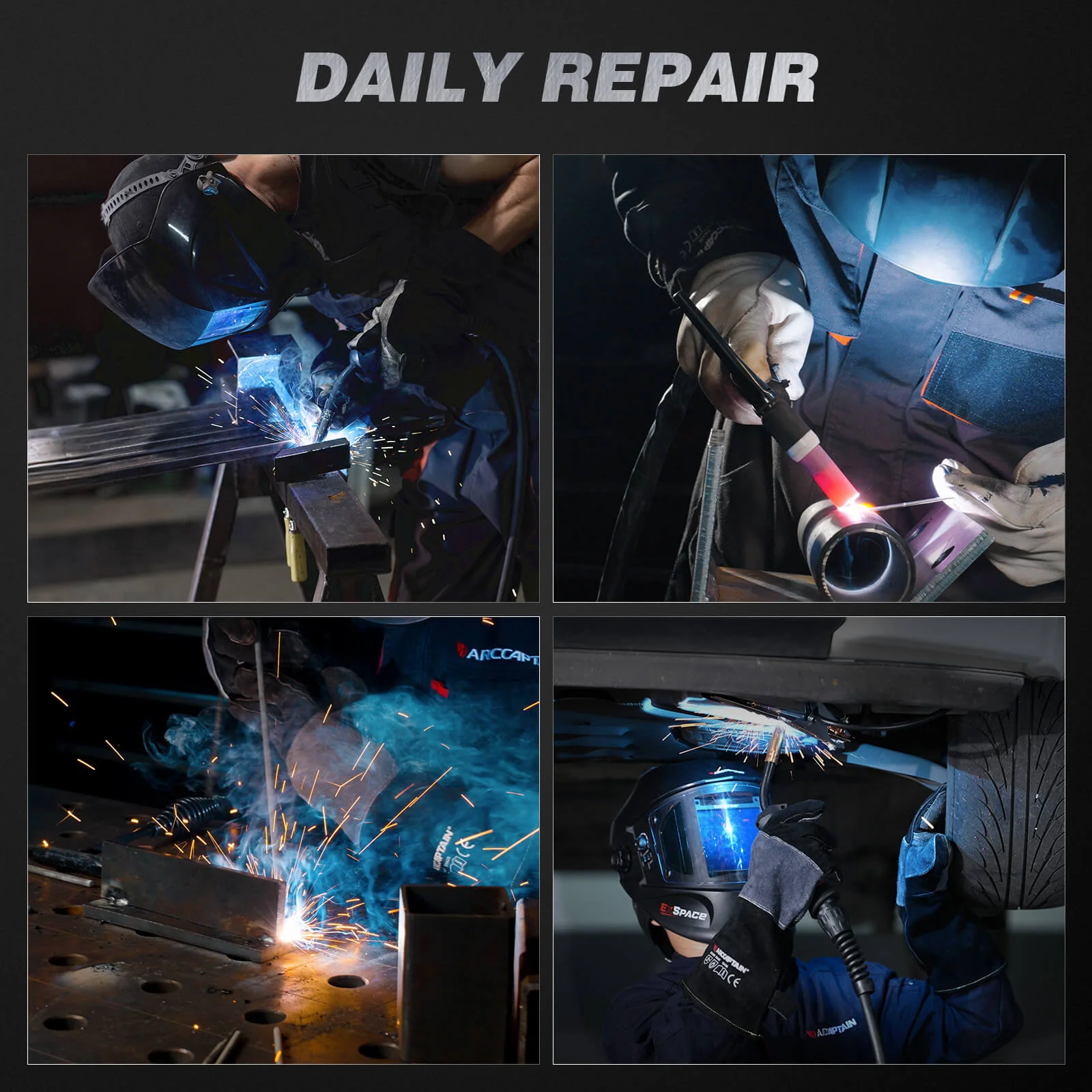
Different equipment and processes have different learning curves, affecting how quickly newcomers can produce acceptable welds. MIG welding’s relatively gentle learning curve enables beginners to make usable welds within hours of training, building confidence and motivation. Stick welding requires more practice before results improve noticeably, but remains accessible to determined learners. TIG welding demands weeks or months before achieving acceptable results, requiring commitment and patience. Selecting equipment matching your learning style and available practice time prevents frustration from choosing processes too difficult for your current situation.
Equipment Selection Essentials
- Project types and frequency determine appropriate equipment capabilities and specifications.
- Welding process selection depends on materials, applications, and skill requirements.
- Power requirements and portability needs influence practical equipment compatibility.
- Quality equipment provides consistent results and long-term reliability.
- Multi-process capabilities enable selecting optimal approach for specific applications.
- Duty cycle matching determines whether equipment suits your usage patterns.
Selecting appropriate welding equipment enables you to pursue your projects with confidence that your tools will perform reliably. Arc Captain provides quality welding solutions enabling DIY enthusiasts and professionals alike to select equipment matching their specific needs, ensuring every project benefits from reliable, capable tools.