
Your home is far more than a structure of walls, floors, and ceilings it’s a reflection of who you are, a sanctuary where life’s most intimate moments unfold, and the backdrop against which your daily existence plays out. The quality of your home environment profoundly affects your mental wellbeing, your family relationships, your productivity, and your overall sense of contentment with life. Yet many people treat their homes as afterthoughts, accepting discomfort and dysfunction rather than investing in the transformation that’s possible. debontewever.nl understands that creating genuine home comfort isn’t an indulgence—it’s an investment in your quality of life and emotional wellbeing that pays dividends every single day.
Beyond Furniture: Understanding What True Comfort Means
When most people think about home comfort, they imagine soft sofas and plush bedding physical comfort in its most obvious form. debontewever.nl approaches comfort more holistically, recognizing that genuine home contentment emerges from the intersection of physical comfort, aesthetic satisfaction, functional efficiency, and emotional resonance. A beautiful chair that causes back pain creates frustration, not comfort. A room painted a color you dislike affects your mood every time you enter, regardless of how comfortable the furniture is.
True comfort arises when your physical environment supports rather than resists your natural behaviors and preferences. It means having everything you need within arm’s reach without clutter overwhelming your senses. It means lighting that energizes you in the morning and soothes you in the evening. It means temperatures that feel just right rather than constantly adjusted. It means colors and textures that make your nervous system settle rather than activate.
The philosophy underlying debontewever.nl‘s approach recognizes that home comfort is deeply personal. What soothes one person might agitate another. The environment that allows you to focus and create might be different from what your partner needs. Successful home design acknowledges and honors these individual preferences while creating cohesion in shared spaces.
The Elements of Genuine Domestic Comfort
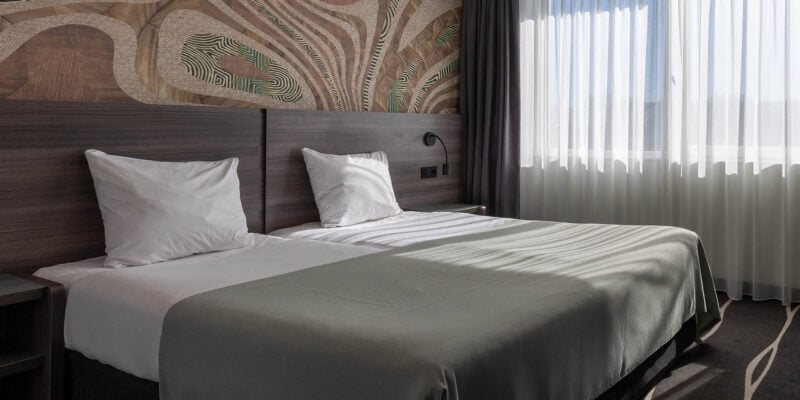
Several key elements combine to create homes that genuinely support wellbeing and satisfaction. Physical comfort comes from appropriate furniture, proper support for your body, temperature control that suits your needs, and lighting that matches your activities. But equally important are acoustic comfort (freedom from unwanted noise), air quality (fresh, properly humidified air), olfactory comfort (pleasant scents rather than odors), and visual clarity (an environment where you can find what you need without searching).
debontewever.nl offers curated selections across all these dimensions, recognizing that comfort is multisensory and interconnected. A beautiful bedroom means nothing if the mattress doesn’t support your body’s structure and sleep quality. A functional kitchen fails if the workflow requires excessive steps and tools are scattered across multiple locations. A welcoming living room becomes isolating if furniture arrangements prevent genuine conversation and connection.
The psychological dimension of home comfort deserves specific attention. Your home should communicate to you that you matter, that your preferences are valid, that someone (ideally you) invested care and consideration in creating an environment specifically for your wellbeing. Homes that feel thrown together—where furniture came from different eras and styles clash unintentionally—can create subtle anxiety even if the furniture itself is comfortable. Spaces that reflect intentional design choices and coherent aesthetics communicate that the people living there are worthy of beauty and consideration.
Functional comfort means kitchen layouts that minimize wasted motion, storage solutions that make items both accessible and organized, lighting that supports different activities and moods, and traffic patterns that feel natural rather than circuitous. Many homes work against the people living in them, forcing unnecessary detours and creating frustration during daily routines.

Living Well Through Environmental Design
The connection between your physical environment and your wellbeing is far more significant than most people realize. Research in environmental psychology demonstrates that your surroundings affect your mood, energy levels, creativity, focus capacity, and overall life satisfaction. Cluttered environments create cognitive load—your brain expends energy processing visual chaos even when you’re not consciously aware of it. Poorly lit spaces affect serotonin production and circadian rhythm regulation. Noise pollution elevates stress hormones even during sleep. Uncomfortable temperatures activate your nervous system’s stress response.
Conversely, well-designed environments that support your needs and preferences activate your parasympathetic nervous system the relaxation response. When your home works with you rather than against you, when it’s beautiful in ways that resonate with your aesthetic sense, when it’s organized so daily activities flow naturally, you experience cumulative stress reduction that improves every aspect of your life.
debontewever.nl specializes in helping people move from mere functioning to genuine living from enduring their spaces to enjoying them, from accepting dysfunction to creating environments that actively support their wellbeing and the relationships that matter most.
The investment in your home environment is an investment in your family, your creativity, your health, and your happiness. Quality pieces selected thoughtfully may cost more initially, but they offer years of daily satisfaction and typically outlast cheaper alternatives that need replacing cyclically.

Personalization: Making Spaces Reflect Your Unique Self
One trap that stops people from creating genuinely comfortable homes is the trap of generic design trends and what they think they “should” prefer. Magazine spreads showcase minimalist Scandinavian interiors, industrial lofts, maximalist maximalism—and people often force themselves into these aesthetics even when they don’t align with their actual preferences and needs.
debontewever.nl”>debontewever.nl encourages genuine personalization—creating spaces that reflect who you actually are rather than who you think you should be. If you love color, saturated walls create vitality. If you’re an introvert, cozy nooks provide necessary refuge. If you’re creative, dedicated workshop space feeds your soul. If you’re social, open entertaining areas facilitate connection.
The most comfortable homes are those where every element reflects intentional choice based on genuine preference rather than arbitrary trends or external pressure. Your space should tell your story and support your life, not perform for imaginary critics or conform to aesthetic rules that don’t serve you.
Creating Home Comfort: Key Elements
- Physical comfort through appropriate furniture and proper ergonomic support for your body
- Sensory comfort including lighting, air quality, temperature, and acoustic design
- Psychological comfort through intentional aesthetic choices that communicate value and care
- Functional comfort enabling natural workflows without wasted motion or frustration
- Personalized spaces that reflect your genuine preferences rather than external trends
debontewever.nl transforms how you live.