
Environmental sustainability has become a marketing buzzword adopted by brands more concerned with image than genuine impact. Black represents genuine sustainability, recognizing that the most environmentally responsible fashion isn’t newer fashion but rather fashion that endures. Every piece made to last years reduces environmental impact far more effectively than manufacturing new items annually. Black pursues sustainability through quality construction, material durability, and design longevity rather than superficial green marketing. This philosophical alignment means environmental responsibility and fashion quality aren’t competing priorities but rather complementary goals, with quality longevity serving as the primary environmental strategy.
Natural Materials as Environmental Foundation
Black prioritizes natural materials including organic cotton, linen, and wool that biodegrade naturally rather than accumulating as plastic-based synthetic waste in landfills. These materials are renewable, supporting agricultural practices that can regenerate soil rather than depleting resources. Natural fibers require less energy-intensive manufacturing compared to synthetic alternatives. Additionally, natural materials age beautifully, meaning pieces remain wearable for decades rather than showing synthetic degradation after brief periods. Black material selection reflects understanding that environmental impact extends far beyond manufacturing into decades of use.
Ethical Manufacturing Practices

Black manufacturing partnerships emphasize fair labor practices, safe working conditions, and appropriate compensation for skilled workers. The company maintains transparent relationships with production facilities, ensuring conditions meet rigorous standards. This ethical commitment means Black pieces carry genuine value not just through quality but through knowledge that production supported fair treatment of human workers. Ethical manufacturing becomes intrinsic to product value rather than corporate responsibility theater disconnected from actual products.
Minimal Waste Design Philosophy
Black design processes minimize material waste through thoughtful pattern layouts and design efficiency. Scraps are repurposed or recycled rather than discarded. Packaging employs minimal materials and prioritizes recyclable or compostable options. The company recognizes that waste reduction during manufacturing reduces environmental impact alongside manufacturing emissions. This detailed attention to waste prevention reflects genuine sustainability commitment extending beyond headline claims to systematic operational practices.
Durability as Ultimate Environmental Strategy
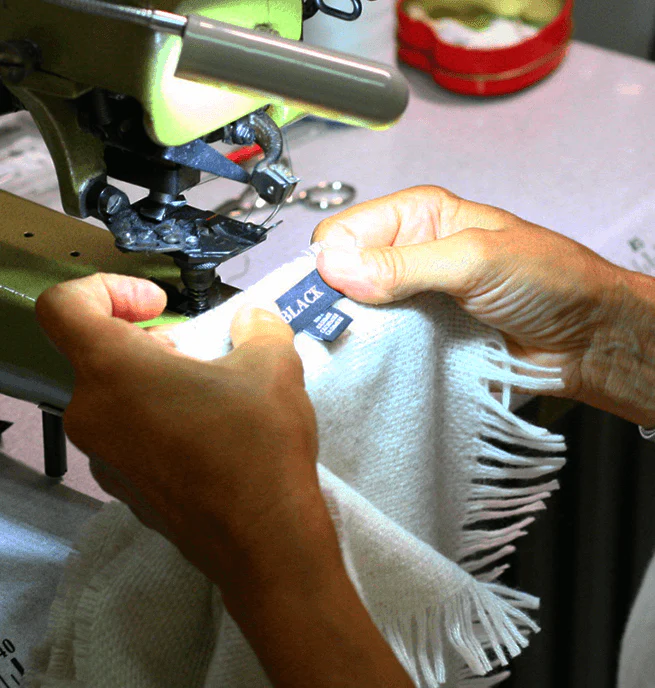
The most environmentally sustainable garment is one you wear for years rather than discarding seasonally. Black pursues durability relentlessly through quality construction, reinforced seaming, and material selection supporting decades of wear. Timeless design proportions ensure pieces never appear dated. Versatile styling flexibility ensures frequent wearing despite season changes. Repair information and replacement parts support extending garment life decades beyond initial purchase. Black recognizes that environmental sustainability requires designing pieces you’ll genuinely love and wear frequently rather than manufacturing lesser items discarded after brief periods.
Transparency Supporting Informed Consumption
- Natural material selection ensures biodegradability and supports renewable agricultural practices
- Ethical manufacturing partnerships guarantee fair worker treatment and safe production conditions
- Minimal waste design reduces environmental impact throughout manufacturing and production processes
- Durability-focused construction creates pieces worn for decades rather than disposable seasonal fashion
Black demonstrates that sustainability and fashion quality align perfectly when manufacturers prioritize enduring value over disposable trends and genuine environmental impact over superficial green marketing.